The Benefits of Combining Chiropractic Care with Physiotherapy
From Relief to Renewal
At Back in Motion Chiropractic, we believe that true healing requires more than pain relief: it requires restoring strength, balance, and full mobility. That is why our approach combines chiropractic care with physiotherapy to create comprehensive, long-term solutions for pain management, recovery, and performance enhancement.
This integrated model is not simply about treating symptoms; it is about addressing the root causes of discomfort and improving overall function so patients can return to active, pain-free living.
A Unified Approach to Recovery
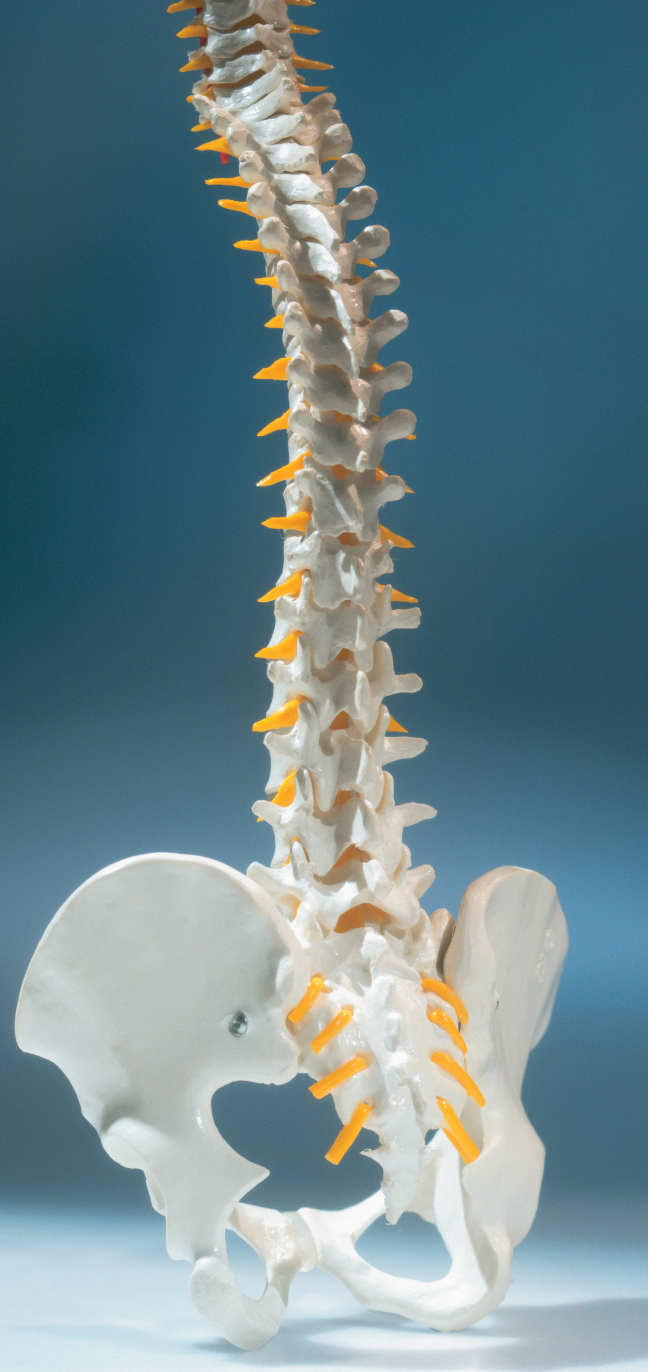
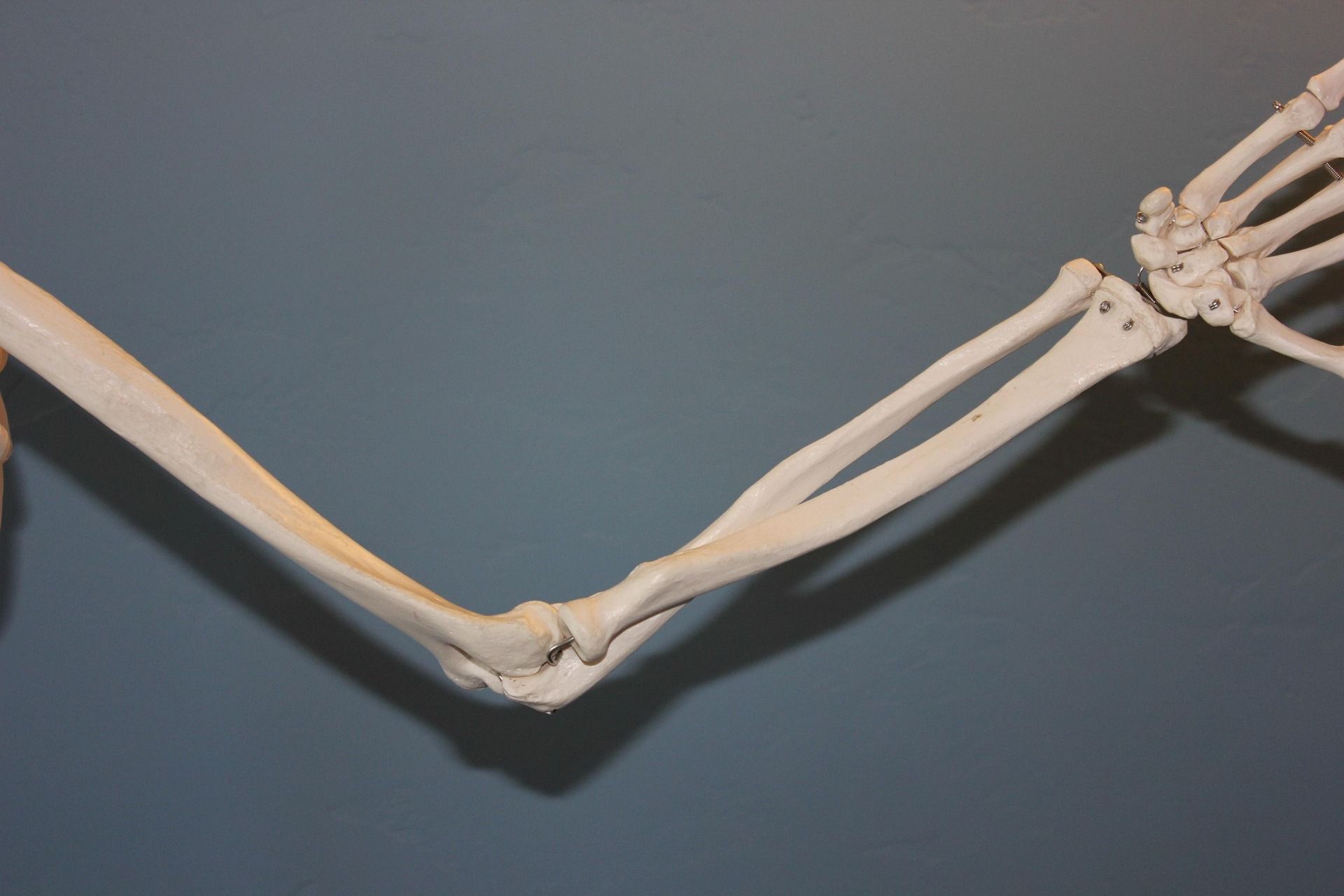
Chiropractic care focuses on the relationship between the spine, nervous system, and overall body function. Misalignments, known as subluxations, can interfere with nerve communication, leading to pain, muscle tension, and limited range of motion. Physiotherapy, on the other hand, targets the body’s soft tissues, joints, and muscles to improve strength, flexibility, and endurance.
When used together, these two disciplines form a powerful combination. Chiropractic adjustments restore alignment and mobility, while physiotherapy builds stability and muscular support to keep the body functioning properly. This dual approach not only helps patients recover faster but also reduces the likelihood of recurring injuries.

Restoring Mobility and Function
Many patients come to Back in Motion Chiropractic after accidents, surgeries, or chronic pain episodes that limit their ability to move comfortably. Chiropractic adjustments help realign the spine and joints, which immediately reduces mechanical stress. Once proper alignment is restored, physiotherapy begins to rebuild motion and strength.
Through guided exercises, stretching routines, and mobility work, our physiotherapists help patients retrain their muscles and improve joint stability. This process allows the body to adapt to its corrected alignment, ensuring that improvements from chiropractic treatment last longer and are supported by proper muscular function.
Reducing Pain Naturally
One of the greatest advantages of combining chiropractic and physiotherapy care is the ability to reduce or eliminate pain without relying on surgery or long-term medication. Manual spinal adjustments help relieve pressure on nerves and reduce inflammation, while physiotherapy exercises promote blood flow and release endorphins, the body’s natural painkillers.
Together, these treatments provide comprehensive relief from conditions such as sciatica,
herniated discs, whiplash, shoulder impingement, and chronic back or neck pain. At Back in Motion Chiropractic, we tailor every treatment plan to the patient’s specific diagnosis, ensuring that therapy addresses both the underlying cause of pain and the surrounding factors contributing to it.

Preventing Future Injuries
Physiotherapy plays an essential role in preventing future problems after chiropractic adjustments have corrected the underlying misalignment. Targeted strengthening and stabilization exercises help patients develop better posture, improve balance, and reduce compensatory movement patterns that often lead to re-injury.
Athletes, for example, benefit significantly from this approach. Chiropractic adjustments keep the spine and joints functioning at optimal levels, while physiotherapy enhances flexibility and muscle control, reducing the risk of strains or sprains during performance.
A Personalized Treatment Plan
No two patients are the same. At Back in Motion Chiropractic, we begin with a thorough evaluation that includes a postural assessment, mobility testing, and discussion of lifestyle habits. Our team then develops a customized plan that may include chiropractic adjustments, physiotherapy, shockwave therapy, and targeted rehabilitation exercises.
Throughout the process, we educate patients about body mechanics and self-care strategies so they can maintain progress at home. This patient-centered approach ensures that every individual receives the level of care needed to achieve lasting results.

Improving Quality of Life
Pain and limited mobility can affect every aspect of daily life—from work productivity to mental well-being. Combining chiropractic care and physiotherapy provides a well-rounded, science-based solution that promotes total wellness. Patients not only recover from injury but also experience improved posture, enhanced movement, and greater overall comfort.
At Back in Motion Chiropractic, our goal is to help every patient feel and function at their best. Whether you are recovering from an injury, managing chronic pain, or striving to improve athletic performance, our integrated approach provides the comprehensive care you deserve.
Contact us today to schedule a consultation and experience how the combination of chiropractic and physiotherapy can help you move better, feel stronger, and live pain-free.