Rebuilding Mobility After a Sports Injury: What to Expect From Chiropractic Rehabilitation
Getting Back in the Game
Recovering from a sports injury can be a difficult and emotional process. Whether you are a professional athlete or simply enjoy an active lifestyle, losing your range of motion can disrupt not only your performance but also your quality of life. At Back In Motion Chiropractic in Carrollton, Texas, we understand that rehabilitation is about more than pain relief. It is about restoring movement, rebuilding strength, and helping you return to the activities you love safely and confidently.
Understanding Sports Injuries
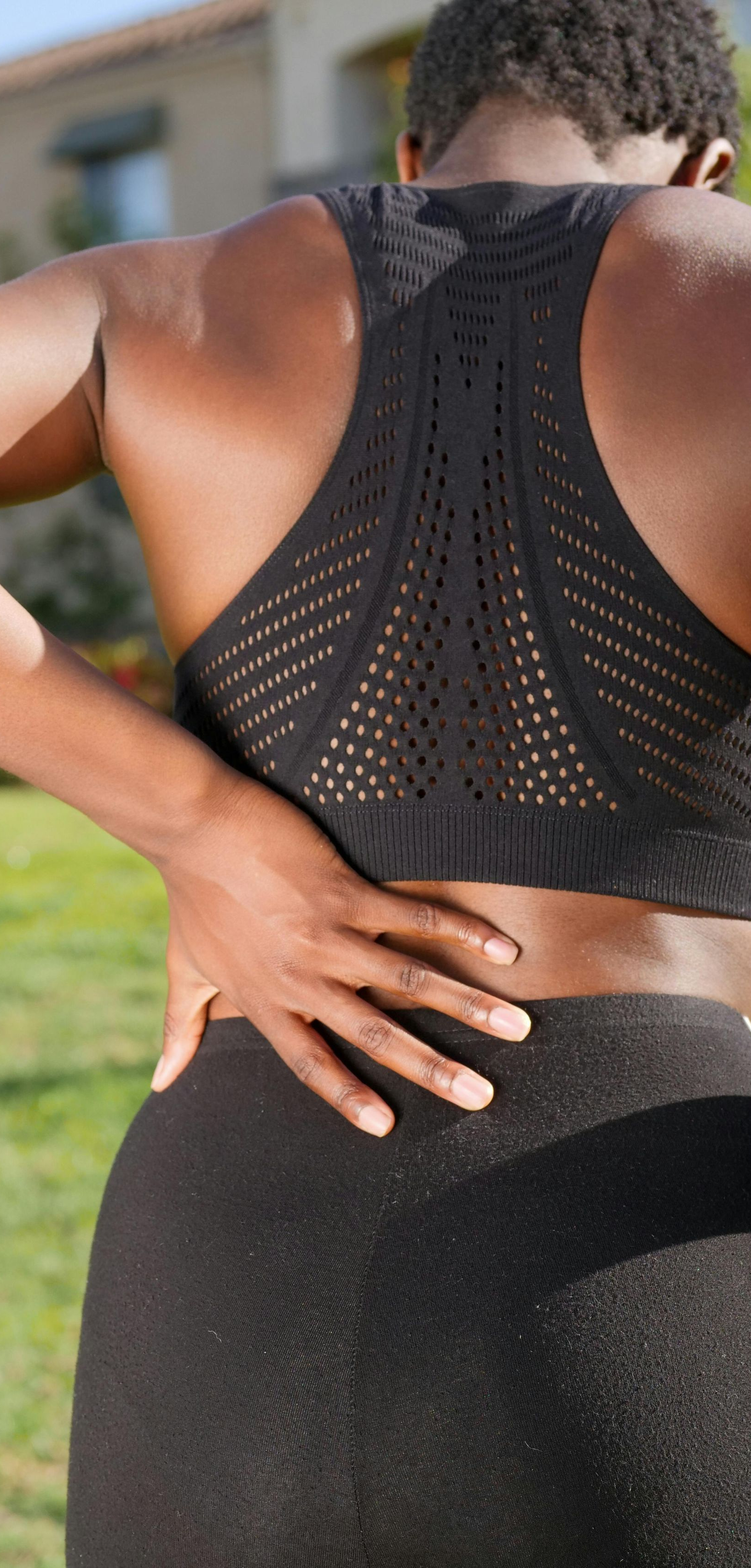
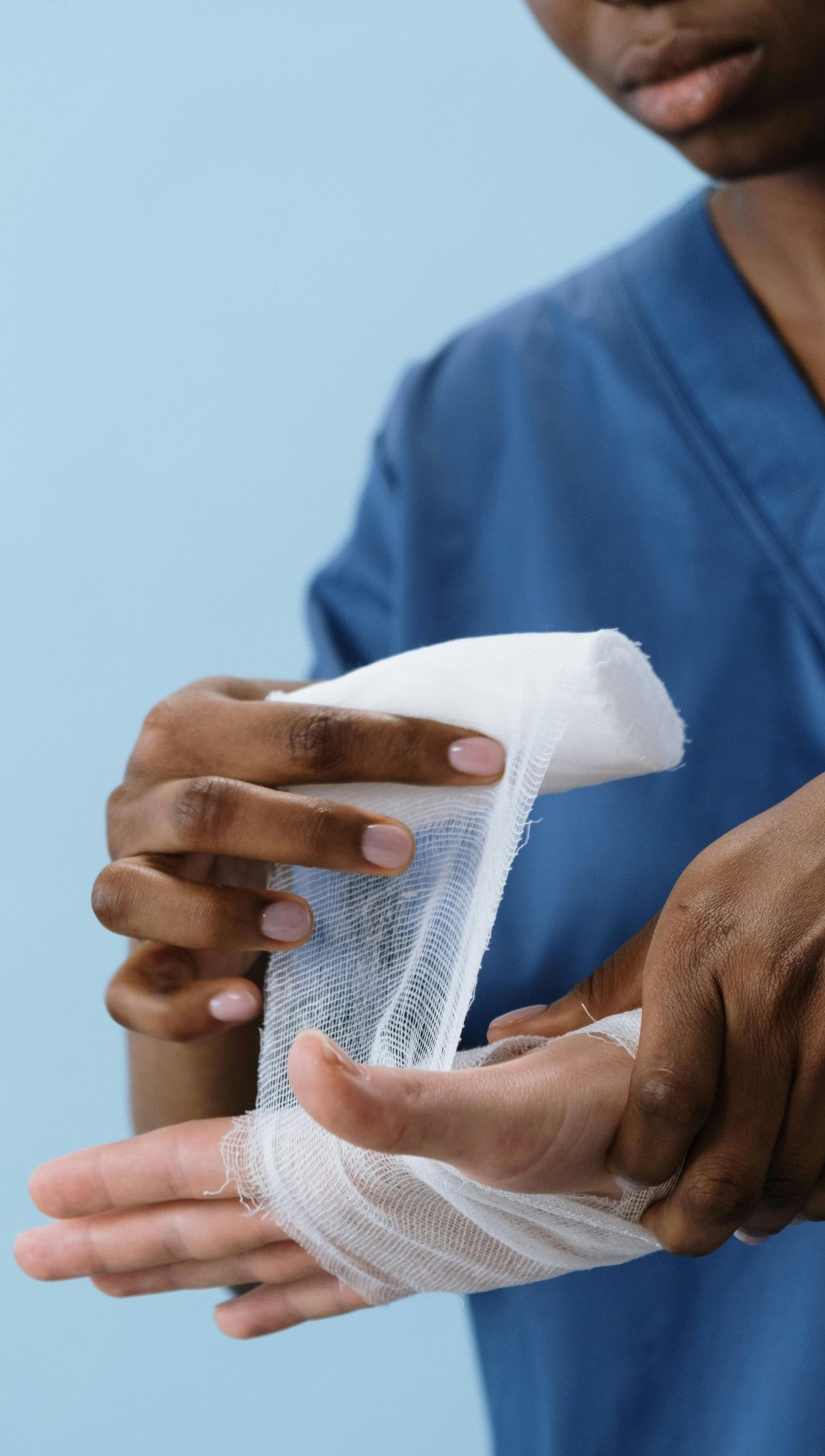
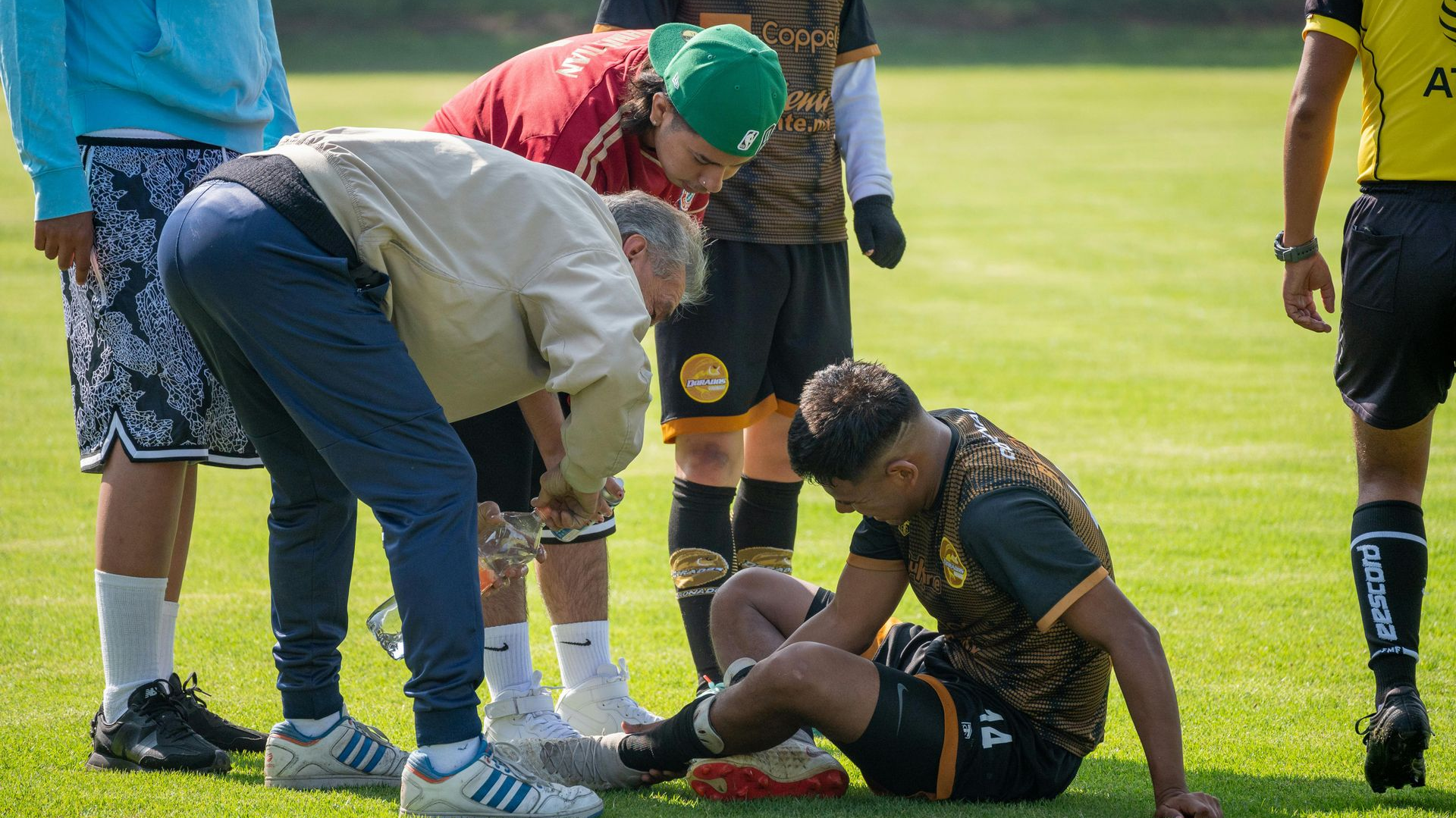
Sports injuries can occur suddenly during high-impact activities or develop gradually due to repetitive motion. Common examples include sprains, strains, joint injuries, and soft tissue damage. These injuries can limit flexibility, coordination, and endurance. Without proper care, even minor issues can lead to chronic pain and long-term instability.
Our approach at Back In Motion Chiropractic focuses on identifying the root cause of the injury and addressing it through non-invasive, functional care. By combining chiropractic adjustments with physiotherapy and advanced rehabilitation methods, we create a customized plan that targets both immediate recovery and future prevention.

The Role of Chiropractic Care in Rehabilitation
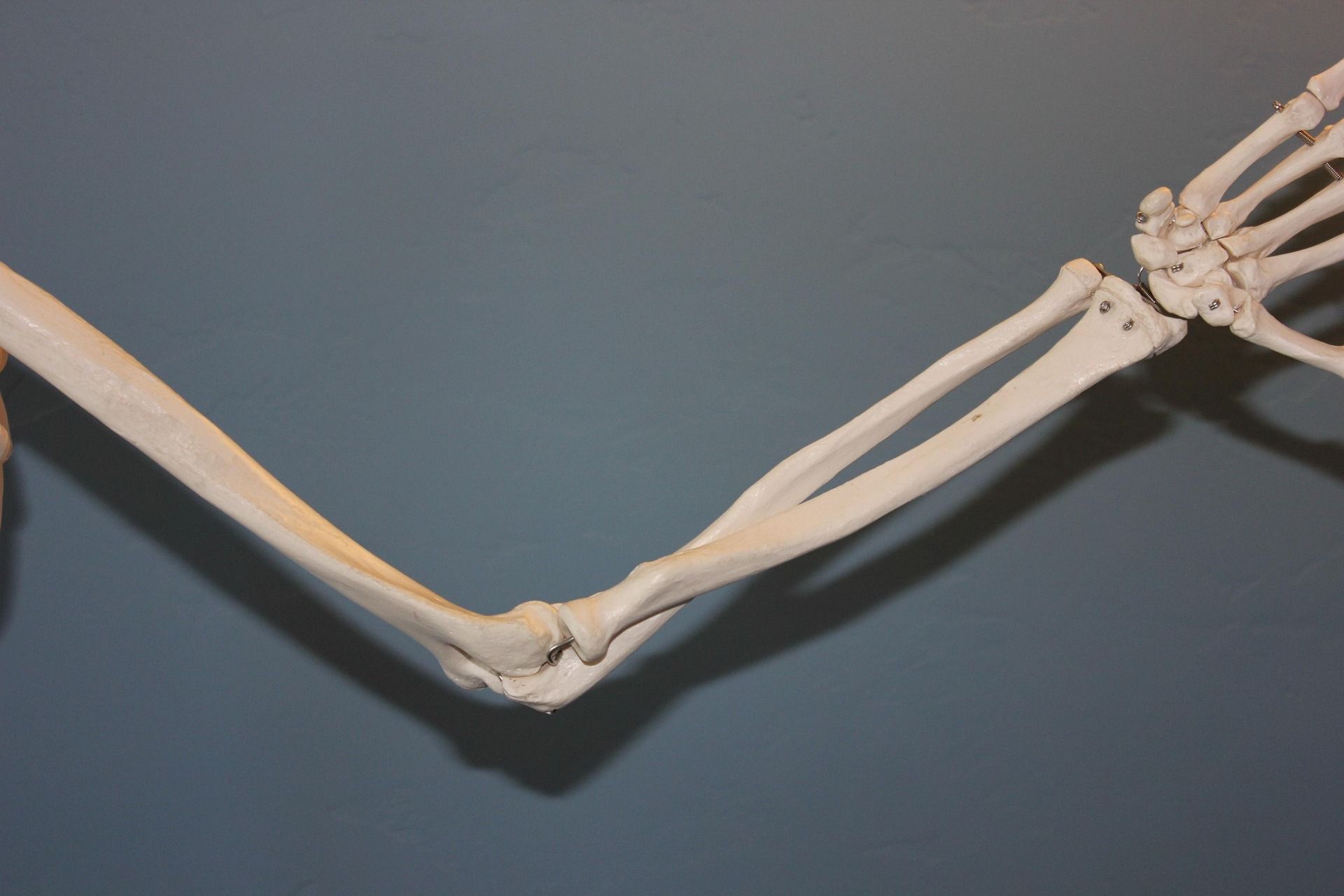
Chiropractic adjustments are an essential part of restoring joint alignment and ensuring that the body moves as it should. When joints or vertebrae become misaligned, they can place strain on muscles, ligaments, and nerves. Adjustments help correct these imbalances, reduce inflammation, and relieve pressure on the nervous system.
Through careful evaluation and precision-based techniques, our team restores proper motion to injured areas, allowing muscles and connective tissues to heal evenly and efficiently. These adjustments also improve blood flow and nerve function, supporting faster recovery and reducing the risk of re-injury.
The Integration of Physiotherapy
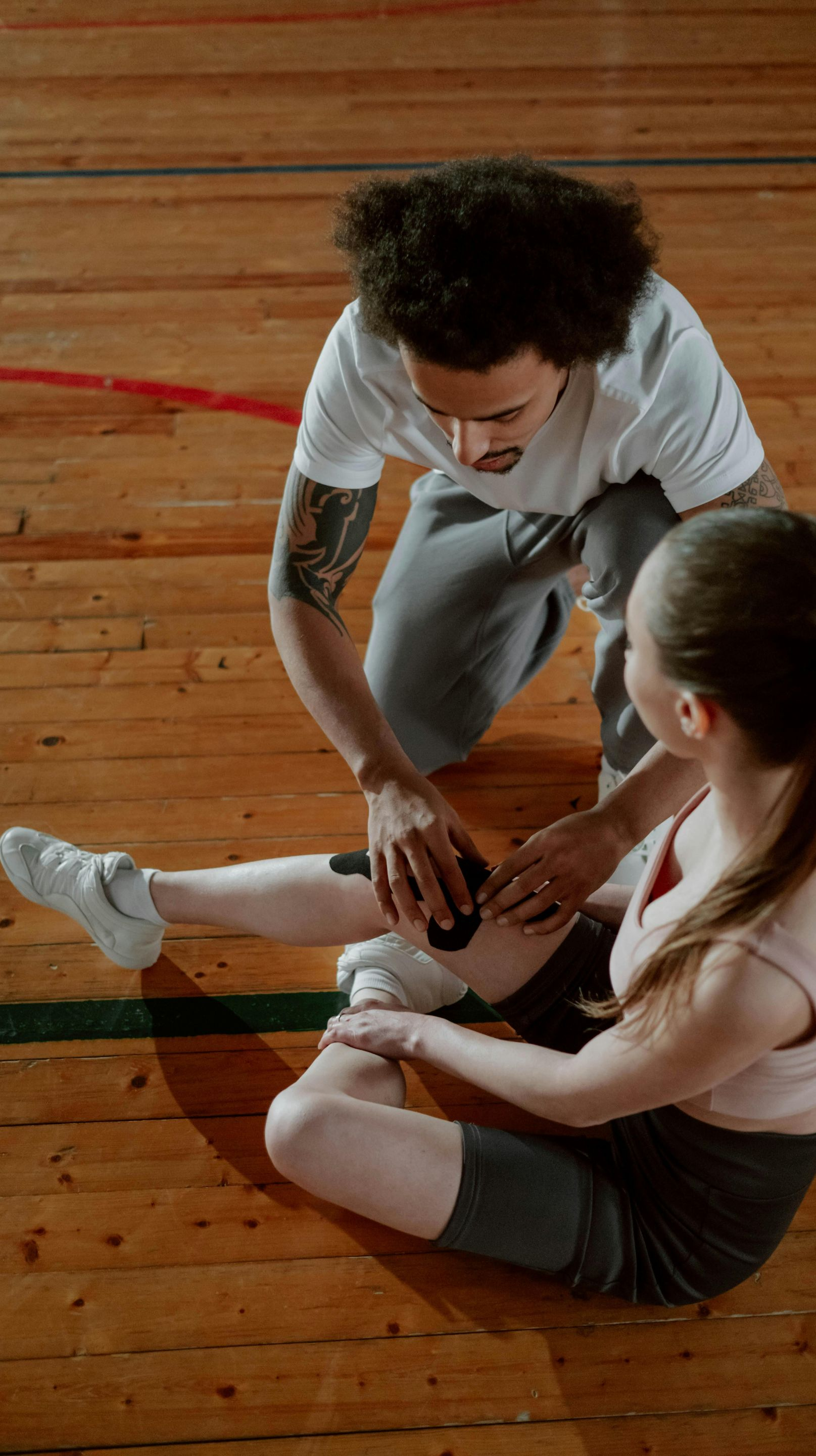
At Back In Motion Chiropractic, we pair chiropractic adjustments with personalized physiotherapy sessions. Physiotherapy focuses on strengthening the body and retraining muscles to move correctly. This often includes targeted exercises, balance training, and flexibility improvement.
By gradually reintroducing movement, patients rebuild confidence in their physical abilities. Our physiotherapy programs are designed to restore endurance, coordination, and power while minimizing strain on recovering tissues. This dual approach ensures that patients not only heal but regain stability and control over their movements.
Advanced Treatment Methods
In addition to chiropractic adjustments and physiotherapy, we incorporate advanced treatment techniques that accelerate healing and enhance performance.
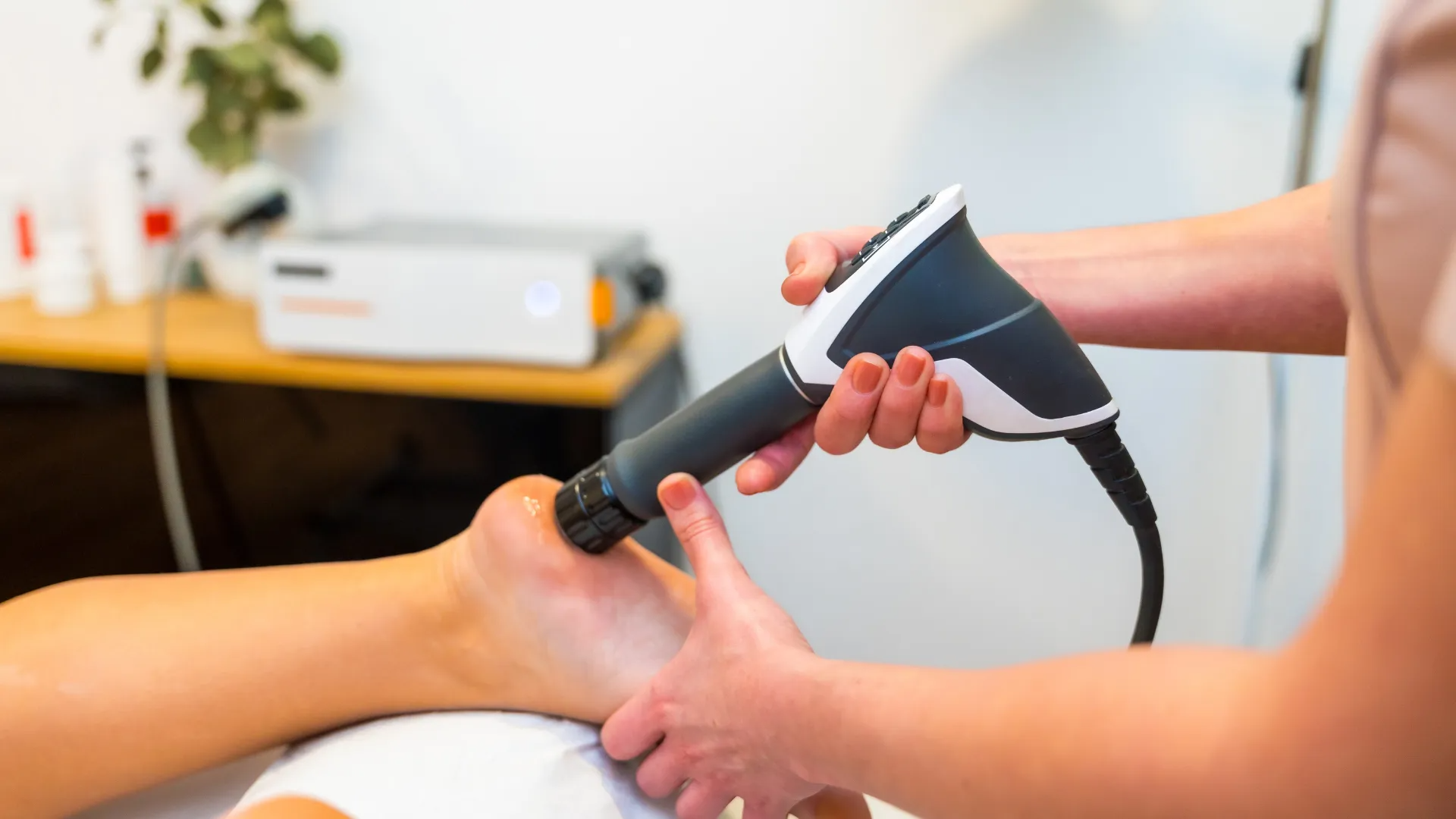
- Shockwave Therapy: This non-invasive method uses acoustic energy pulses to stimulate natural healing, reduce inflammation, and promote tissue regeneration. It is especially effective for chronic pain or injuries that are slow to heal.
- Trigger Point Therapy: These techniques target areas of tightness and pain within the muscles. By releasing tension and improving circulation, they help restore flexibility and reduce discomfort.
- Rehabilitation Exercises: Patients are guided through customized movements that improve strength, range of motion, and posture. Each exercise plan is designed around the specific demands of the sport or activity the patient wishes to return to.
By combining these modalities, we create a comprehensive care plan that restores balance, mobility, and confidence.
Prevention and Long-Term Care
True recovery means more than returning to play. It means preventing future injuries and maintaining peak performance. Our rehabilitation programs emphasize education, helping athletes understand how to move efficiently and protect vulnerable areas. We also teach stretching and strengthening routines that can be continued at home to maintain progress.
Final Thoughts
A sports injury does not have to mark the end of your athletic journey. With the right approach, you can recover your strength, flexibility, and confidence. Chiropractic rehabilitation provides a safe and effective path to restoring full mobility while preventing future injuries.
At Back In Motion Chiropractic, our integrated approach to care is designed to help you move better, feel stronger, and get back to doing what you love most. Whether you are recovering from an acute injury or managing chronic pain, our team is ready to guide you through every step of your rehabilitation journey.