How Chiropractic Care May Help Improve Mobility as We Age
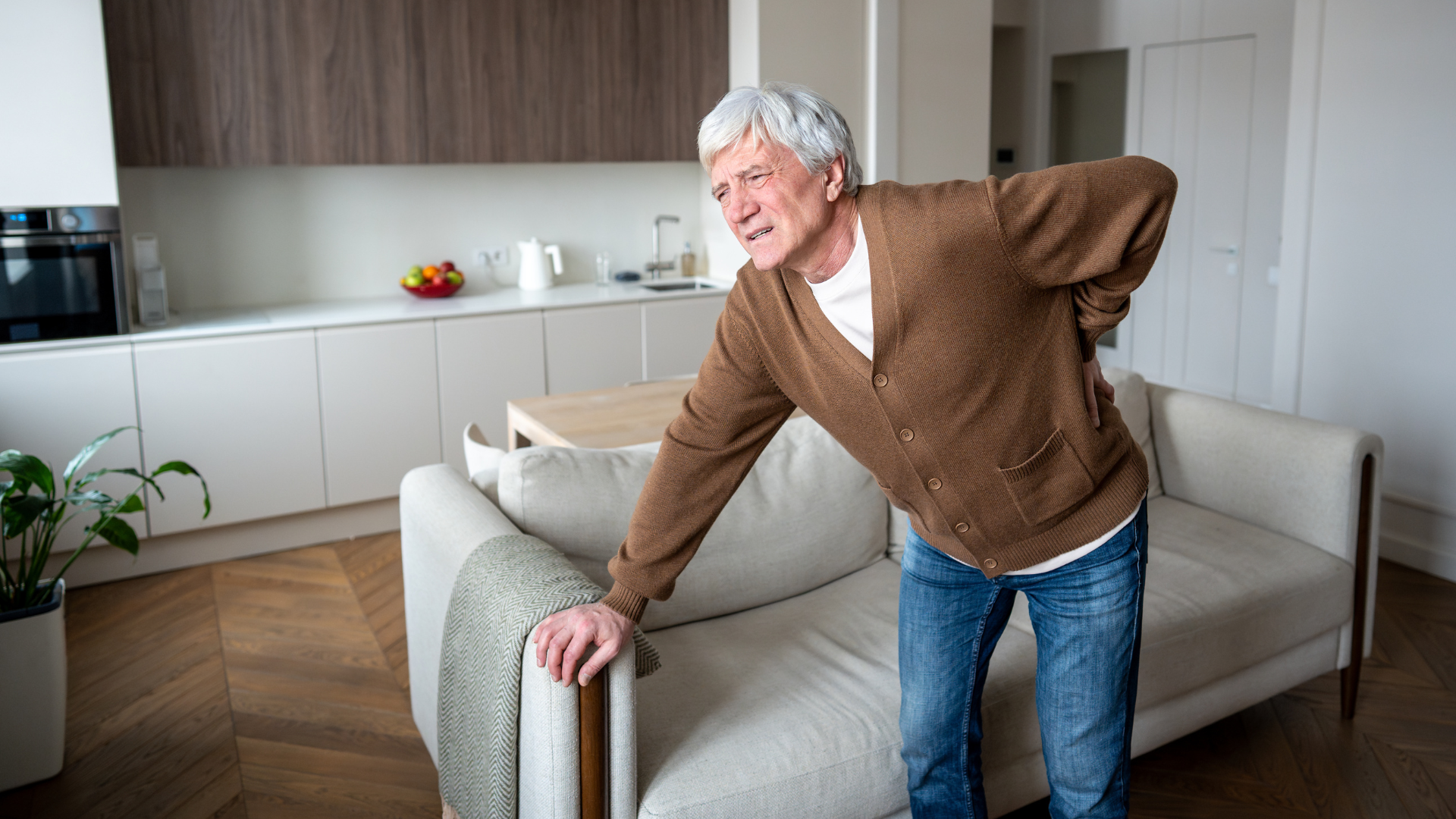
Changes in mobility are a common part of aging. Many adults notice increased stiffness, reduced range of motion, or discomfort during everyday activities such as walking, bending, or reaching. These changes are often influenced by a combination of joint wear, muscular tightness, postural habits, and decreased physical activity. While aging itself cannot be stopped, certain conservative care approaches may help support mobility and functional movement over time.
Why Mobility Tends to Decline With Age
As the body ages, joints may experience gradual degeneration, connective tissues can lose elasticity, and muscles may become tighter or weaker if not regularly engaged. Reduced activity levels, past injuries, and long periods of sitting can further contribute to restricted movement.
Spinal joints are particularly important in overall mobility. The spine plays a central role in posture, balance, and coordinated movement. When spinal joints lose motion or become irritated, surrounding muscles may tighten to compensate, which can further limit flexibility.

The Importance of Joint Motion
Healthy joint movement allows the body to distribute forces efficiently during daily activities. When joints move as intended, muscles can function more effectively and movement tends to feel smoother and less effortful.
Restricted joint motion, sometimes referred to as
joint dysfunction, may contribute to stiffness and discomfort. Conservative approaches that focus on restoring or supporting joint motion may help improve how the body moves as a whole.

How Chiropractic Care May Support Mobility
Chiropractic care focuses on the musculoskeletal system, particularly the spine and joints. For some individuals, chiropractic adjustments may help improve joint mobility by addressing areas of restricted movement. Adjustments are intended to promote motion within specific joints, which may reduce stiffness and improve functional movement patterns.
Clinical practice guidelines from organizations such as the
American College of Physiciansrecognize spinal manipulation as a non pharmacologic option for certain types of musculoskeletal pain, particularly acute and subacute low back pain. While outcomes vary, some patients report improved movement and reduced discomfort following care.

The Role of Muscle Tension and Balance
Mobility is not determined by joints alone. Muscles that surround the spine and extremities play a significant role in movement quality. Chronic muscle tension can limit range of motion and contribute to imbalance.
Chiropractic care is often combined with soft tissue techniques, movement recommendations, or rehabilitative exercises aimed at addressing muscle tension and supporting balanced movement. This integrated approach may help patients feel more confident and capable in their daily activities.

Movement Confidence and Functional Independence
As people age, fear of pain or injury can lead to reduced activity. This avoidance can unintentionally accelerate mobility decline. Supporting comfortable movement may help individuals remain active, which is closely tied to maintaining independence.
Improved mobility can make it easier to perform daily tasks, participate in hobbies, and engage socially. These functional benefits are often as important as pain reduction.

Individualized Care Matters
It is important to recognize that no two patients experience aging or mobility changes in the same way. Factors such as overall health, activity level, medical history, and prior injuries all influence outcomes.
Chiropractic care is not a one size fits all solution. Individualized assessment allows care plans to be tailored to each patient’s needs and goals. Some patients may benefit from periodic care, while others may require a more structured treatment approach.

Setting Realistic Expectations
While chiropractic care may help support mobility for some individuals, it is not a cure for aging or degenerative conditions. Progress may be gradual and often works best when combined with lifestyle changes such as regular physical activity, stretching, and ergonomic awareness.
Consistency and open communication with a provider help set realistic expectations and guide care decisions over time.

Supporting Movement at Every Stage of Life
Maintaining mobility is a key component of quality of life as we age. Conservative care options that focus on joint motion, muscle balance, and functional movement may help individuals stay active and engaged.
At Back in Motion Chiropractic, we work with patients to support mobility through thoughtful, individualized care. Our goal is to help patients move with greater ease and confidence while recognizing that healthy aging looks different for everyone.