Understanding the Difference Between Muscular Pain and Joint Related Pain
Understanding the Difference Matters
Pain can affect daily life in many ways, but not all pain has the same underlying cause. Two of the most common sources of discomfort are muscular pain and joint related pain. While they can feel similar at times, they often originate from different structures in the body and may respond to different approaches to care. Understanding the distinction may help patients better describe their symptoms and seek appropriate evaluation.
What Muscular Pain May Feel Like
Muscular pain typically originates in the muscles or the connective tissue that supports them. It may feel like soreness, tightness, stiffness, or a dull aching sensation. Some people describe muscular pain as a feeling of fatigue or heaviness in a specific area.
Muscular discomfort may develop after
physical activity, repetitive motion, prolonged sitting, or sudden strain. It may also be associated with poor posture, stress related tension, or overuse of certain muscle groups. In many cases, muscular pain changes with movement and may improve or worsen depending on activity levels.

Common Characteristics of Muscular Pain
Muscular pain may be tender to the touch and can sometimes be reproduced by pressing on specific areas. It may feel worse during certain movements or positions and improve with rest or gentle motion.
This type of pain may also fluctuate throughout the day. For some individuals, muscular discomfort feels worse in the morning or after long periods of inactivity. For others, it may increase as the day goes on and muscles become fatigued.
What Joint Related Pain May Feel Like
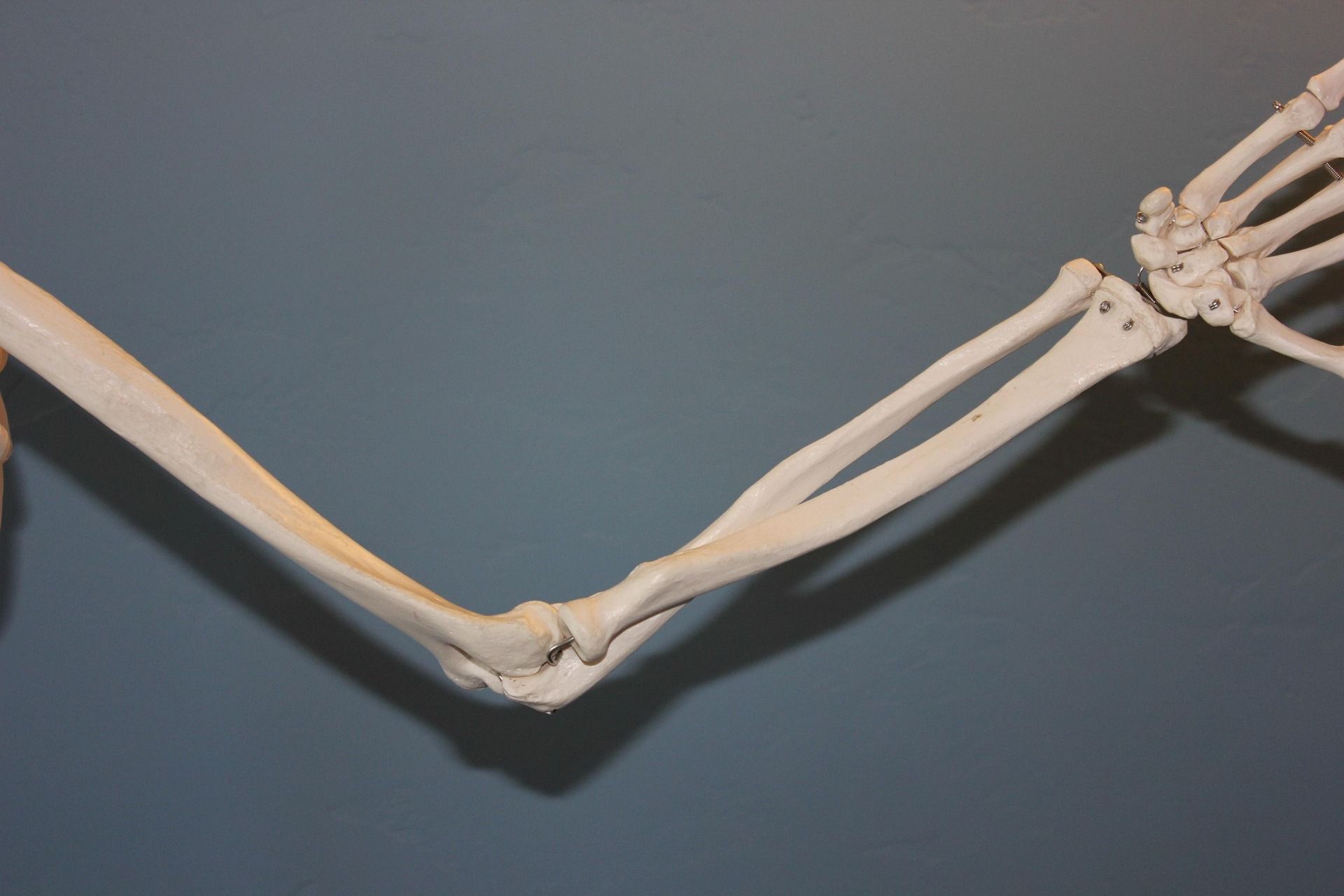
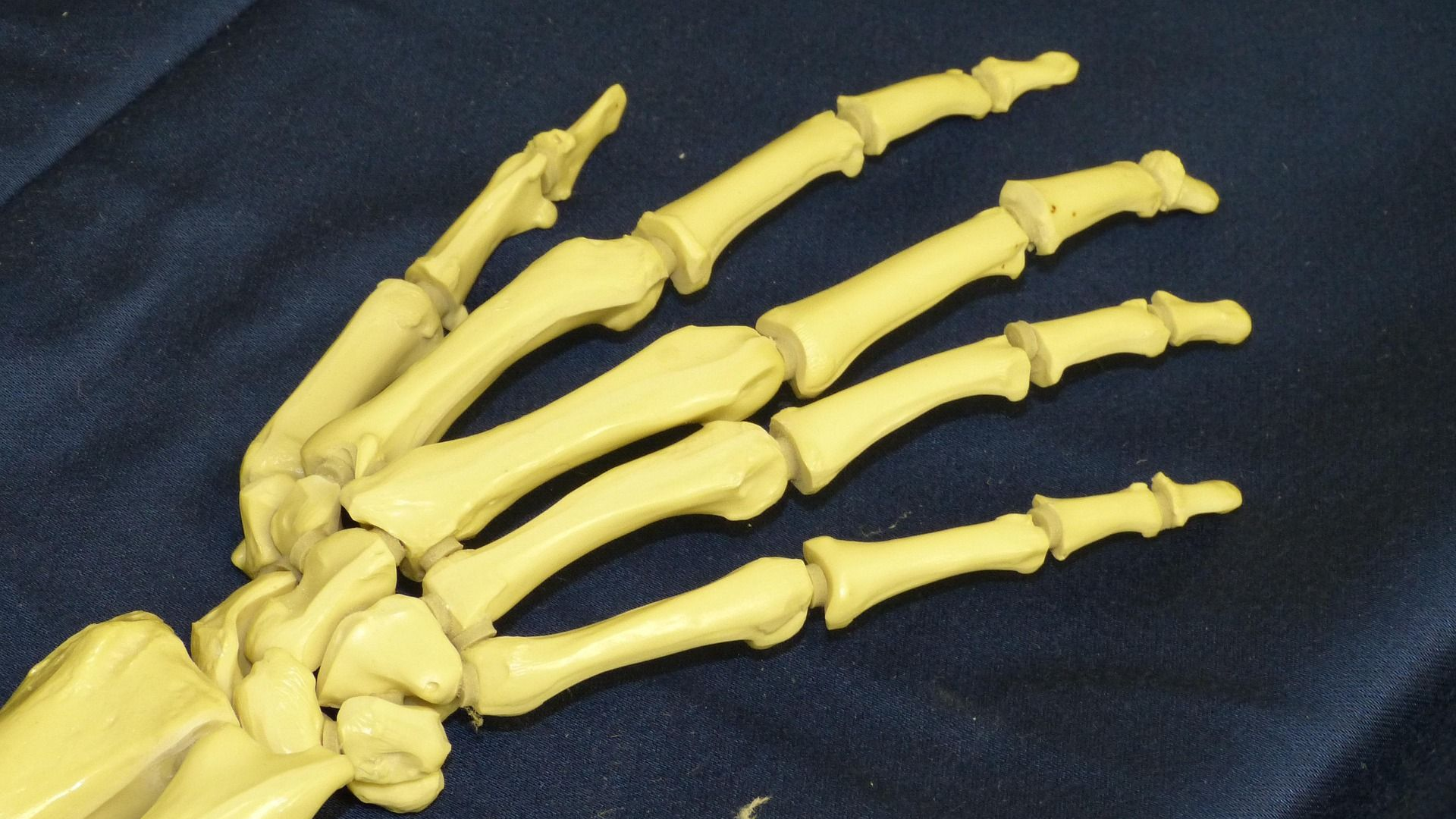
Joint related pain often originates from the structures where bones meet, such as the spine, shoulders, hips, or knees. This type of discomfort may feel deeper or more localized within the joint itself.
Some individuals describe joint related pain as sharp, catching, or associated with stiffness during movement. Joint discomfort may be accompanied by reduced range of motion or a feeling that movement is restricted.
Common Characteristics of Joint Related Pain
Joint related pain may be more noticeable during specific movements, such as bending, twisting, or reaching. It may also feel worse after periods of rest, particularly when first standing or moving after sitting.
In some cases, joint discomfort may be associated with clicking, popping, or grinding sensations. These symptoms do not always indicate a serious condition, but they may suggest that joint mechanics are contributing to discomfort.
Why Differentiating Pain Sources Matters
Muscular pain and joint related pain may overlap, and it is possible for both to be present at the same time. However, identifying the primary source of discomfort may help guide appropriate care.
For example, muscular tension may respond well to approaches that focus on movement, stretching, and soft tissue work. Joint related discomfort may benefit from strategies that address joint mobility, alignment, and movement patterns.
Accurate assessment helps avoid a one size fits all approach and allows care to be tailored to the individual’s needs.

How Chiropractic Evaluation May Help
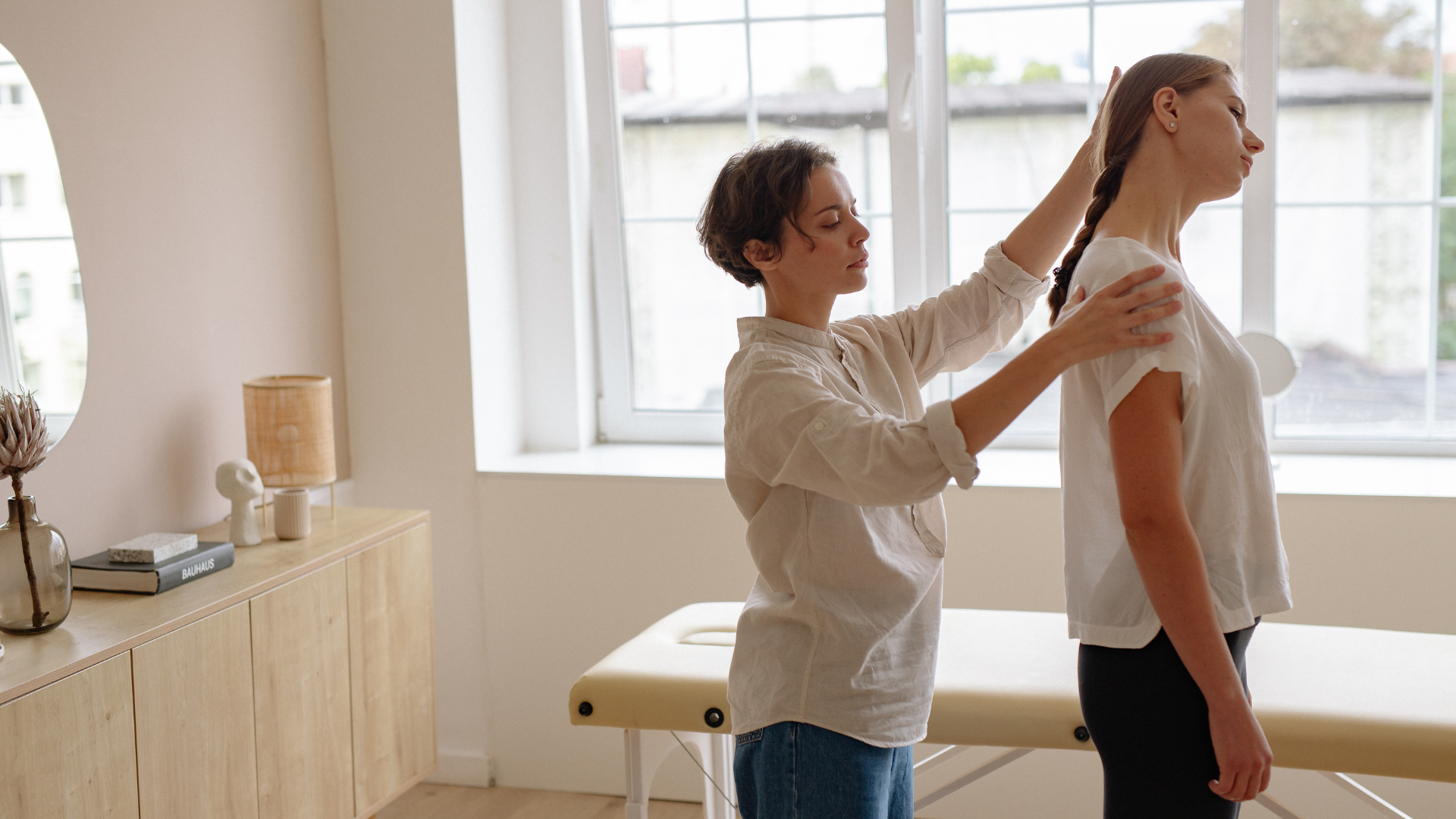
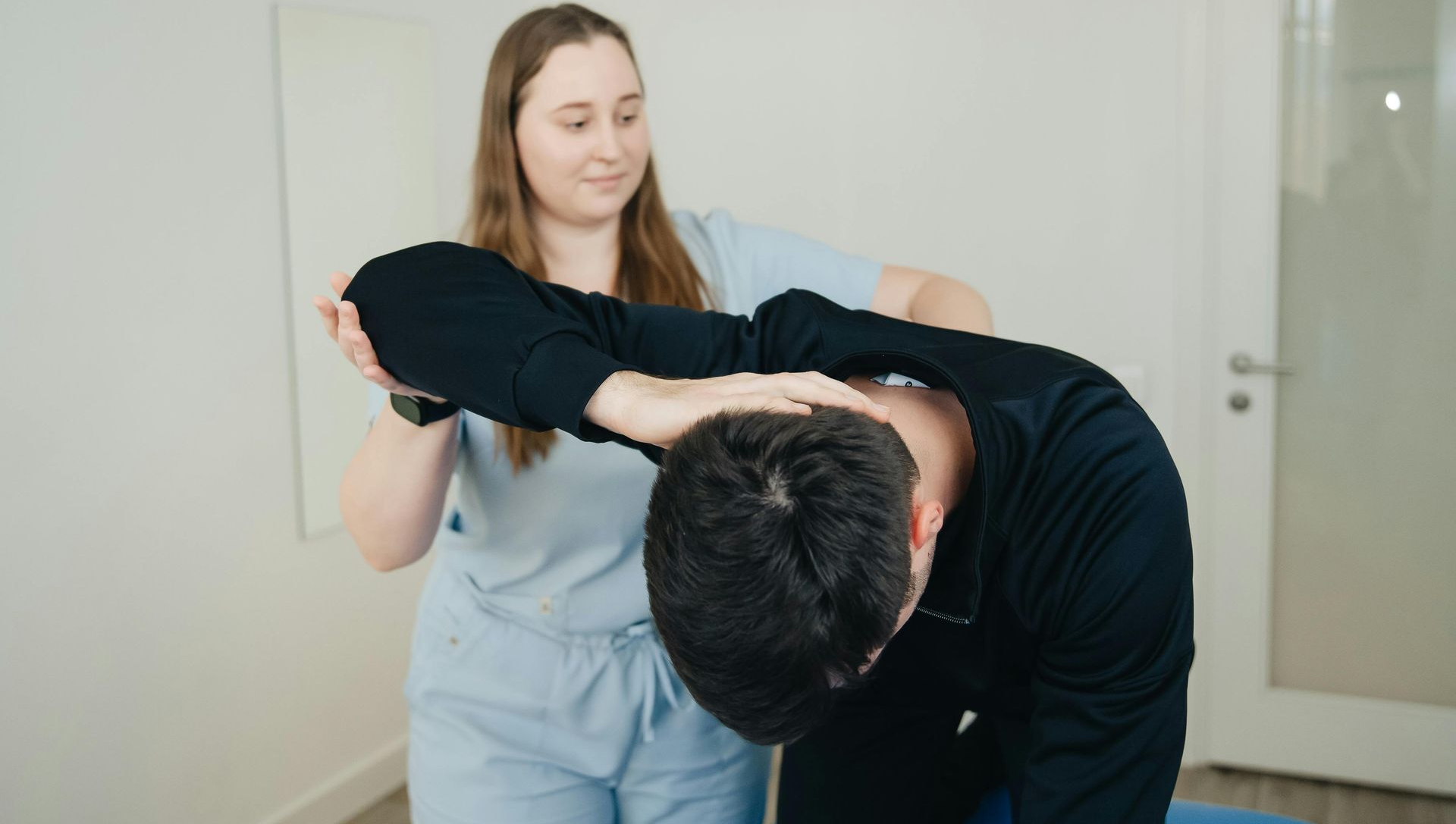
A chiropractic evaluation focuses on understanding how the spine, joints, and surrounding soft tissues are functioning together. By assessing posture, movement, and areas of restriction or tension, providers may identify whether discomfort is more likely muscular, joint related, or a combination of both.
This evaluation may include a review of health history, movement testing, and palpation of muscles and joints. The goal is to understand how different structures are contributing to symptoms rather than focusing on pain alone.
The Importance of Movement and Awareness
Both muscular and joint related pain may be influenced by daily habits such as posture, activity levels, and ergonomics. Awareness of how the body moves throughout the day can play an important role in managing discomfort.
Small changes, such as adjusting workstation setup or incorporating regular movement breaks, may help reduce strain on both muscles and joints.
A Thoughtful Approach to Care
Pain does not always fit neatly into one category. Muscles and joints work together, and dysfunction in one area may affect the other. A thoughtful approach considers the whole system rather than isolating one structure.
At Back in Motion Chiropractic, we focus on understanding how different sources of pain may be affecting movement and comfort. By identifying whether discomfort is muscular, joint related, or a combination, we help guide care that supports function, mobility, and long term well being.