Recovering from Car Accident Injuries with Chiropractic Care and Physiotherapy
Post-Accident Care at Back in Motion Chiropractic
Even a seemingly minor car accident can have lasting effects on the body. The sudden impact of a collision can cause misalignments, muscle strain, and nerve irritation that may not appear immediately but lead to chronic pain over time. Whether you are dealing with neck stiffness, back discomfort, or limited mobility, chiropractic care and physiotherapy offer safe and effective solutions for recovery. At Back in Motion Chiropractic in Carrollton, Texas, our experienced team provides individualized care to help patients heal naturally, regain mobility, and prevent long-term complications.
Understanding the Impact of Car Accident Injuries
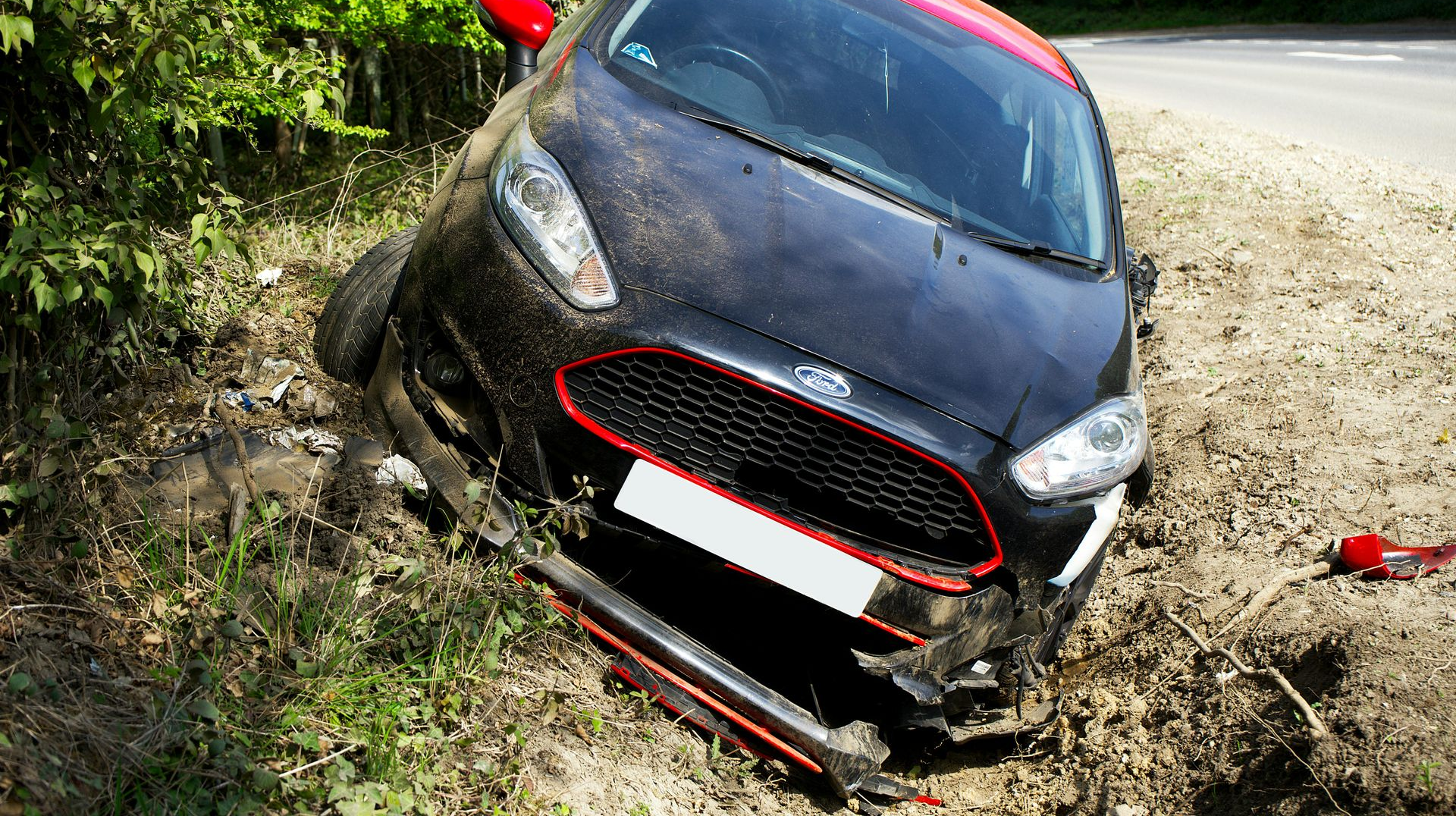
Car accidents subject the body to intense forces in a matter of seconds. The most common injuries involve the spine, joints, and soft tissues. Even low-speed collisions can cause muscle tears or joint dysfunction as the body absorbs the shock.
Some of the most frequent post-accident conditions include:
- Whiplash: A rapid back-and-forth movement of the neck that can strain muscles, ligaments, and joints.
- Back Pain: Caused by spinal misalignment, herniated discs, or muscle tension.
- Shoulder and Hip Injuries: Common when the seatbelt restrains the body during impact.
- Headaches and Dizziness: Often linked to neck tension or misalignment.
While
pain medication can temporarily mask symptoms, it does not correct the underlying damage. Chiropractic care and physiotherapy focus on identifying and treating the root cause of discomfort to restore normal function and promote long-term healing.

How Chiropractic Adjustments Aid Recovery
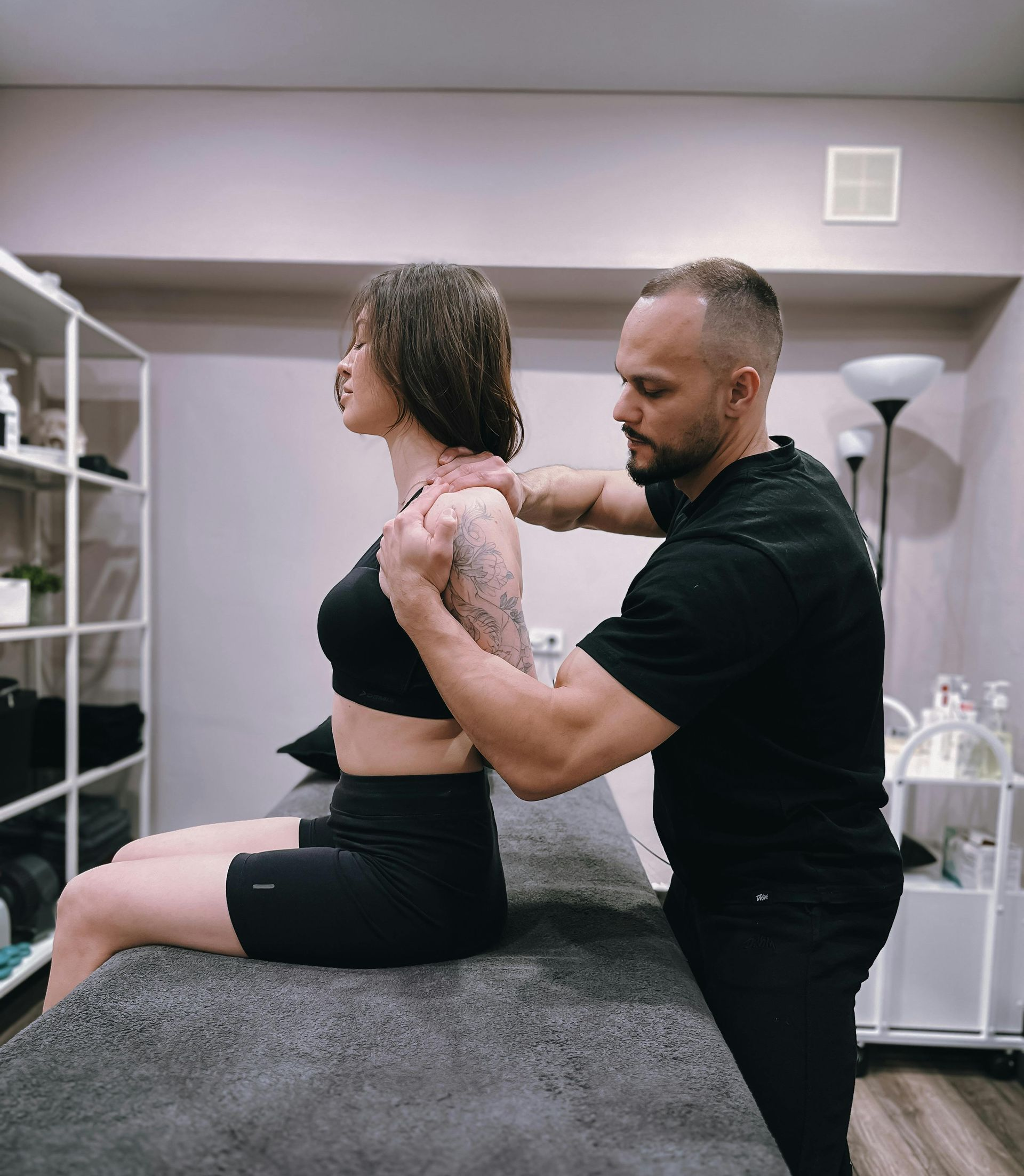
Chiropractic adjustments are designed to realign the spine and restore balance to the body’s musculoskeletal system. When vertebrae become misaligned during a car accident, they can irritate nerves and restrict movement. This often leads to pain, stiffness, and inflammation that worsen over time if left untreated.
Through gentle, controlled adjustments, chiropractors help relieve pressure on nerves, reduce inflammation, and improve mobility. Proper alignment also enhances the body’s ability to heal by improving circulation and reducing tension in surrounding muscles. Many patients experience noticeable relief after their first few visits, along with improved flexibility and posture.
At Back in Motion Chiropractic, our team carefully evaluates each patient’s condition using spinal assessments, range-of-motion tests, and diagnostic imaging when necessary. This allows us to create a treatment plan tailored to your specific injuries and comfort level.

The Role of Physiotherapy in Recovery
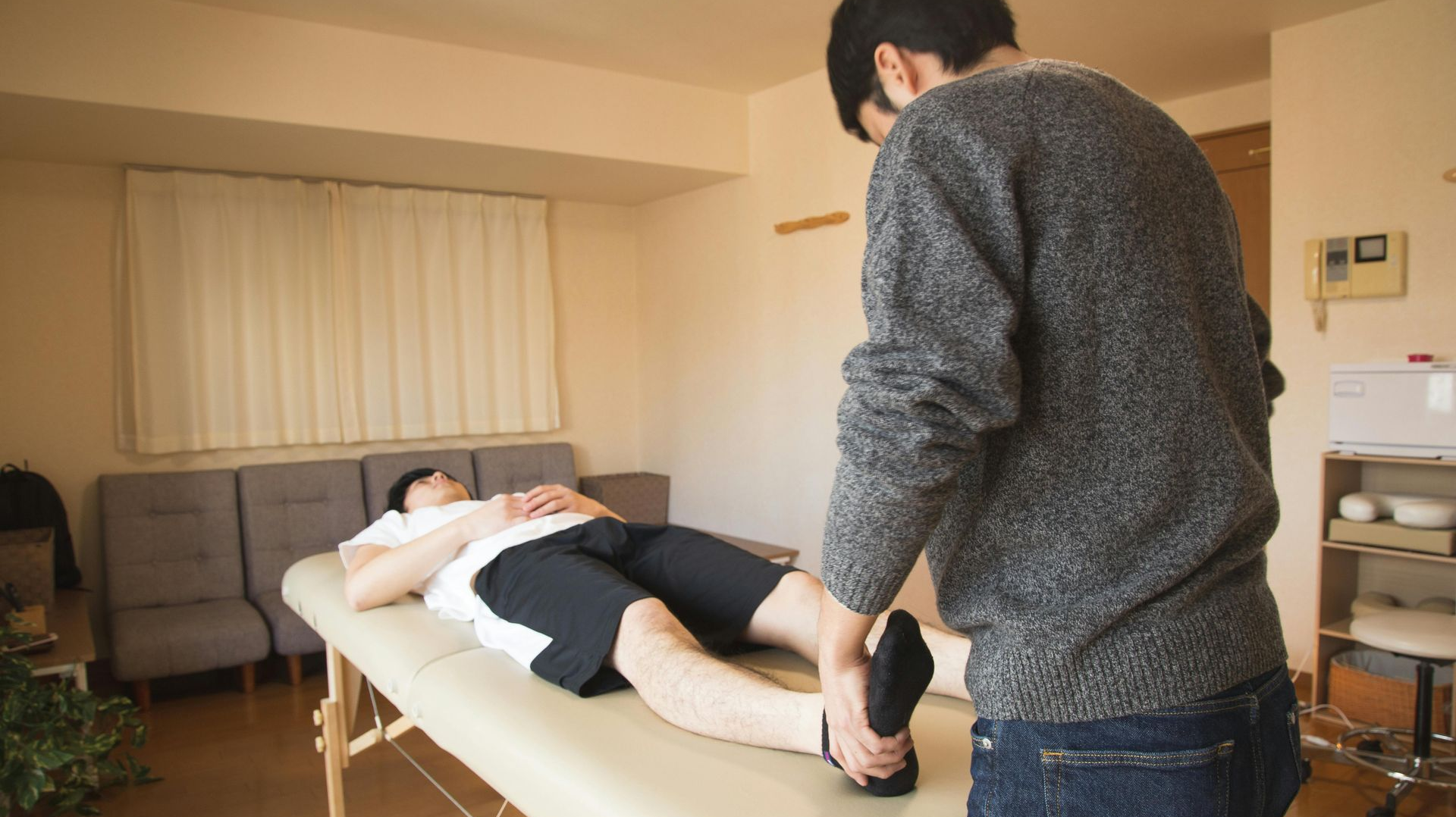
Physiotherapy complements chiropractic care by strengthening the muscles and tissues that support the spine and joints. After an accident, it is common for muscles to weaken or tighten as the body compensates for pain. Without proper rehabilitation, this imbalance can lead to recurring discomfort or re-injury.
Physiotherapy helps restore strength, flexibility, and coordination through customized exercises and guided movement. It also improves joint stability and balance, which are essential for long-term recovery. At Back in Motion Chiropractic, our physiotherapy programs include stretching, resistance training, and corrective exercises designed to promote healing and prevent future complications.
Benefits of a Combined Approach
When chiropractic adjustments and physiotherapy are used together, they provide a comprehensive recovery strategy that addresses both structure and function. Chiropractic care corrects alignment and reduces nerve pressure, while physiotherapy rebuilds muscular support and improves movement patterns.
This integrated approach offers several benefits:
- Faster pain relief and reduced inflammation
- Improved mobility and flexibility
- Enhanced strength and posture
- Reduced likelihood of chronic pain or recurring injuries
- Minimal reliance on medication
Our goal is to help each patient regain full function and return to normal activities safely and confidently.

Personalized Care at Back in Motion Chiropractic
No two car accidents are alike, and neither are the injuries they cause. At Back in Motion Chiropractic, we take time to understand your specific symptoms, medical history, and goals for recovery. Under the direction of Dr. Pratik Soni, our team combines advanced chiropractic techniques with physiotherapy and modern rehabilitation tools to provide exceptional care.
Dr. Soni’s experience in sports medicine and injury recovery ensures that each treatment plan is scientifically grounded and designed for optimal results. Whether your injury is recent or you are struggling with lingering pain from a past collision, we can help you restore motion and live pain-free.
Take the First Step Toward Recovery
If you have been in a car accident, do not wait for symptoms to worsen. Early intervention is key to preventing long-term pain and dysfunction. Chiropractic care and physiotherapy offer a natural, drug-free path to recovery that restores alignment, strengthens the body, and supports overall health.
Contact Back in Motion Chiropractic in Carrollton today to schedule a consultation. Our dedicated team is here to help you heal safely, move comfortably, and get back to the activities you love.