How Chiropractic Care Can Help with Chronic Sciatica
Non-Invasive Care for Long-Term Mobility
Chronic sciatica is a condition that affects millions of people each year, often causing persistent pain, numbness, or tingling that travels from the lower back down through the leg. For many, it interferes with work, exercise, and daily activities. Fortunately, lasting relief is possible without relying solely on medication or surgery. At Back in Motion Chiropractic in Carrollton, Texas, we specialize in identifying the root causes of sciatica and providing non-invasive, effective treatment that helps restore comfort and mobility.
What Is Sciatica?
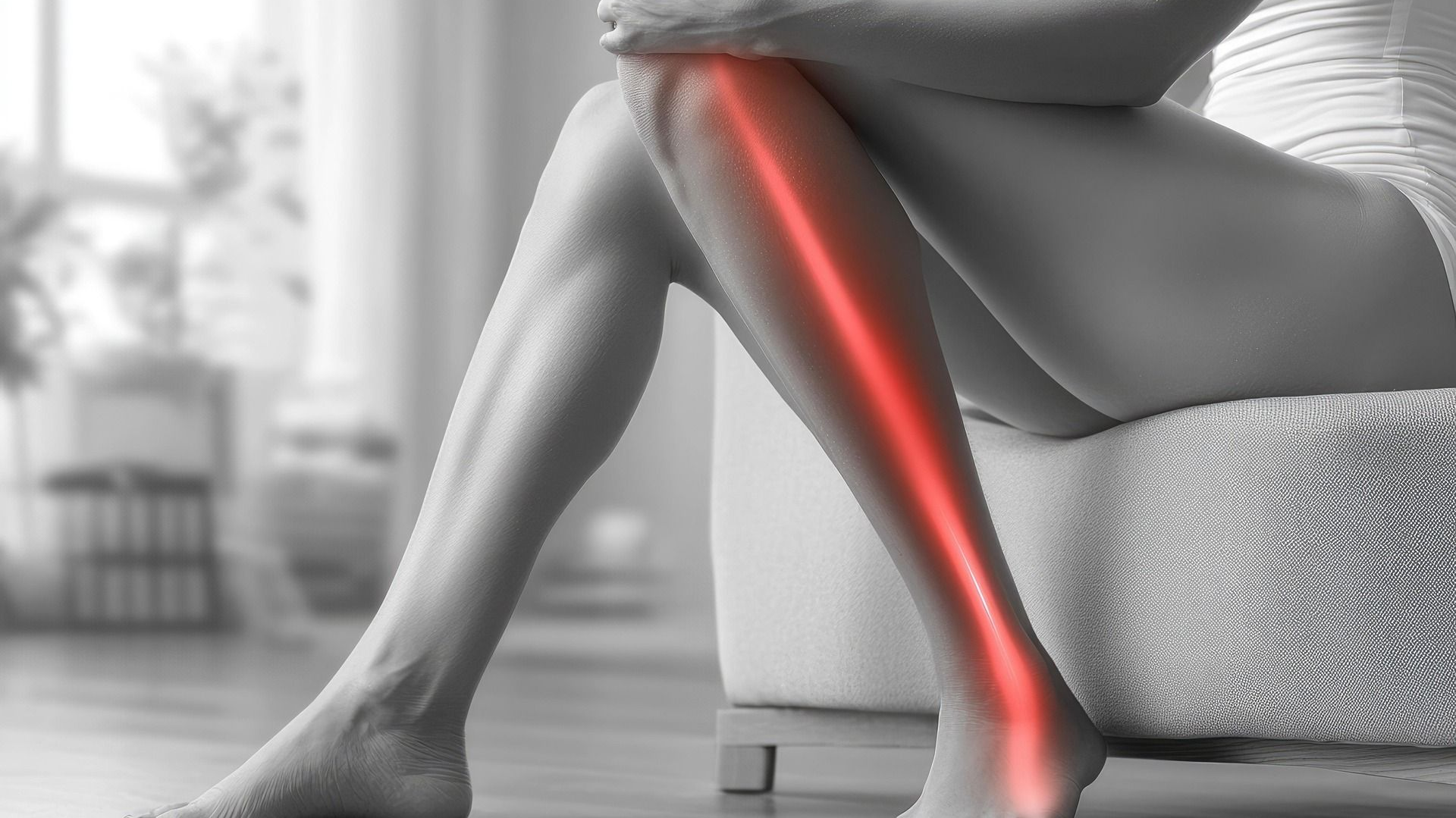
Sciatica is not a condition itself but a symptom of irritation or compression of the sciatic nerve, which is the longest nerve in the body. The sciatic nerve begins in the lower back, extends through the hips and buttocks, and travels down both legs. When the nerve becomes compressed or inflamed, it can cause sharp or burning pain, weakness, or numbness along its path.
For some patients, sciatica symptoms are mild and occasional. For others, the pain is constant, radiating, and severe enough to disrupt sleep and daily function.
Chronic sciatica occurs when these symptoms persist for more than three months, often signaling an underlying structural or muscular issue that needs professional attention.
Common Causes of Sciatica
- Sciatica has several possible causes, most of which involve pressure or irritation along the lower spine. The most common include:
- Herniated or Bulging Discs: When a spinal disc presses against the sciatic nerve, it can cause pain that radiates down one leg.
- Degenerative Disc Disease: Age-related wear can reduce the cushioning between vertebrae, increasing nerve compression.
- Piriformis Syndrome: When the piriformis muscle in the buttocks tightens or spasms, it can irritate the sciatic nerve.
- Spinal Misalignment: Even small shifts in vertebral alignment can place uneven pressure on nerves.
- Poor Posture or Prolonged Sitting: Sedentary lifestyles can contribute to spinal compression and muscle imbalances that trigger sciatica.
Understanding the source of your pain is critical. At Back in Motion Chiropractic, every treatment plan begins with a thorough evaluation, including spinal assessment, range-of-motion testing, and diagnostic imaging when necessary.

How Chiropractic Care Helps
Chiropractic care focuses on correcting the underlying causes of sciatica rather than masking symptoms with medication. By restoring alignment, improving mobility, and reducing inflammation, chiropractic adjustments help relieve pressure on the sciatic nerve and promote natural healing.
Some of the techniques we use include:
- Spinal Adjustments: Gentle, precise manipulations help realign vertebrae, reducing nerve irritation and improving spinal function.
- Physiotherapy and Rehabilitation Exercises: Customized movement and stretching programs strengthen supportive muscles, improve flexibility, and prevent future flare-ups.
- Soft Tissue Therapy: Targeted massage and trigger point therapy relieve muscle tension that may be contributing to nerve compression.
- Shockwave Therapy: This advanced technique uses high-frequency sound waves to stimulate tissue repair, reduce inflammation, and accelerate recovery.
Each treatment plan is tailored to the patient’s specific condition, ensuring the safest and most effective approach to long-term relief.

Benefits of Chiropractic Treatment for Sciatica
Patients who seek chiropractic care for chronic sciatica often experience:
- Reduced pain and inflammation
- Improved range of motion
- Stronger postural support
- Enhanced circulation and nerve function
- Long-term relief without dependency on pain medication
Chiropractic care not only alleviates current discomfort but also focuses on preventing future episodes through ongoing maintenance and education about posture, ergonomics, and healthy movement habits.
Why Choose Back in Motion Chiropractic
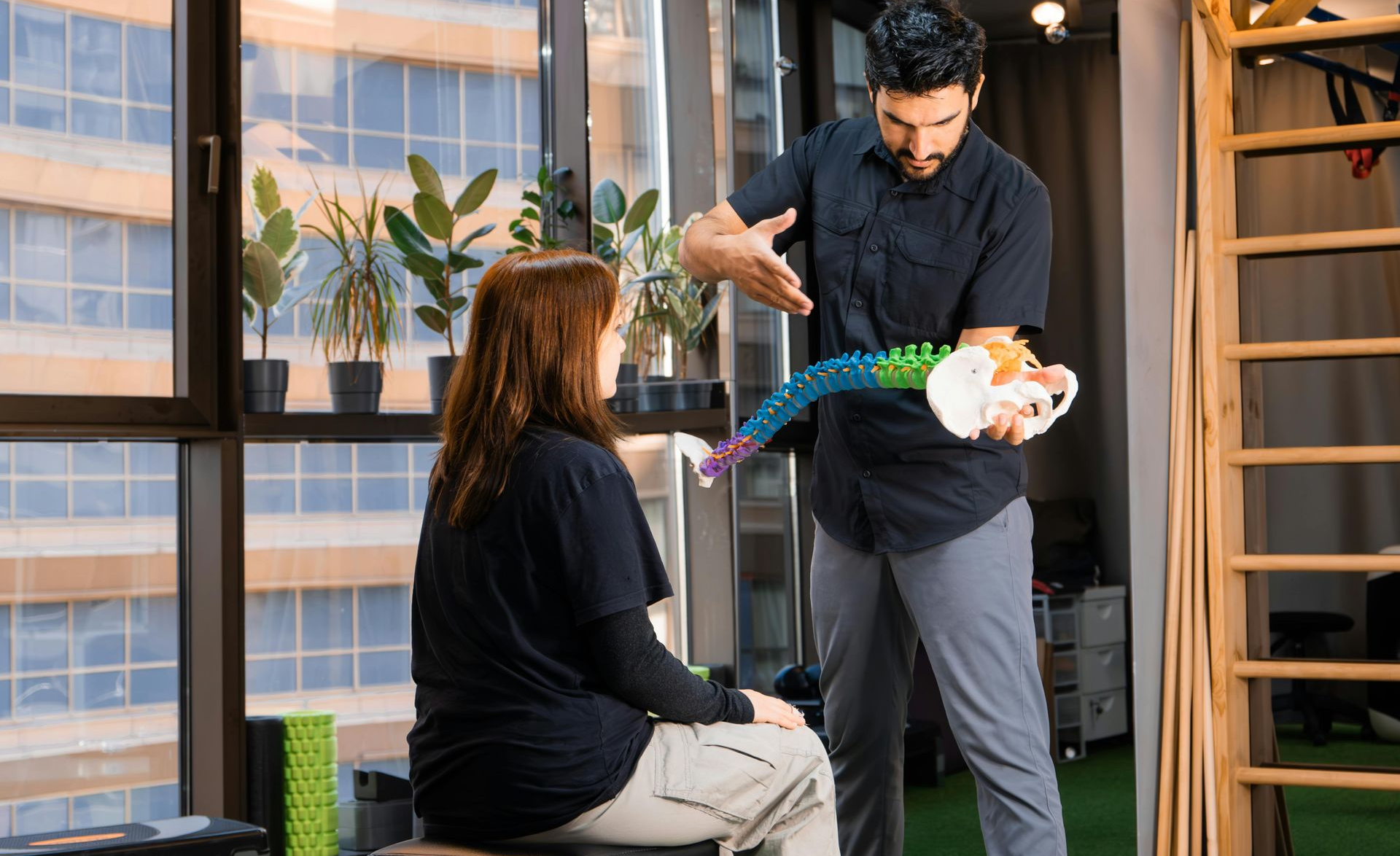
We take time to understand your condition, answer your questions, and design a comprehensive plan that supports your recovery and long-term wellness. Whether your sciatica stems from a sports injury, years of desk work, or chronic spinal issues, we are here to help you regain mobility and live pain-free.
Get Relief from Sciatica Today
Living with chronic sciatica can feel discouraging, but relief is within reach. Chiropractic care provides a safe, natural path to healing that addresses the true cause of your discomfort.
Contact Back in Motion Chiropractic today to schedule an appointment. Our experienced team in Carrollton, Texas, is ready to help you overcome pain, restore function, and get back to doing the things you love.