Why Sedentary Lifestyles Contribute to Musculoskeletal Pain
Many people spend a large portion of their day sitting. Desk jobs, long commutes, screen time, and passive leisure activities have become normal parts of modern life. While these habits may feel unavoidable, extended periods of inactivity can place stress on the musculoskeletal system and may contribute to the development or persistence of pain over time.
Understanding how sedentary behavior affects the body can help individuals make more informed decisions about their health and movement.
How the Body Responds to Prolonged Sitting
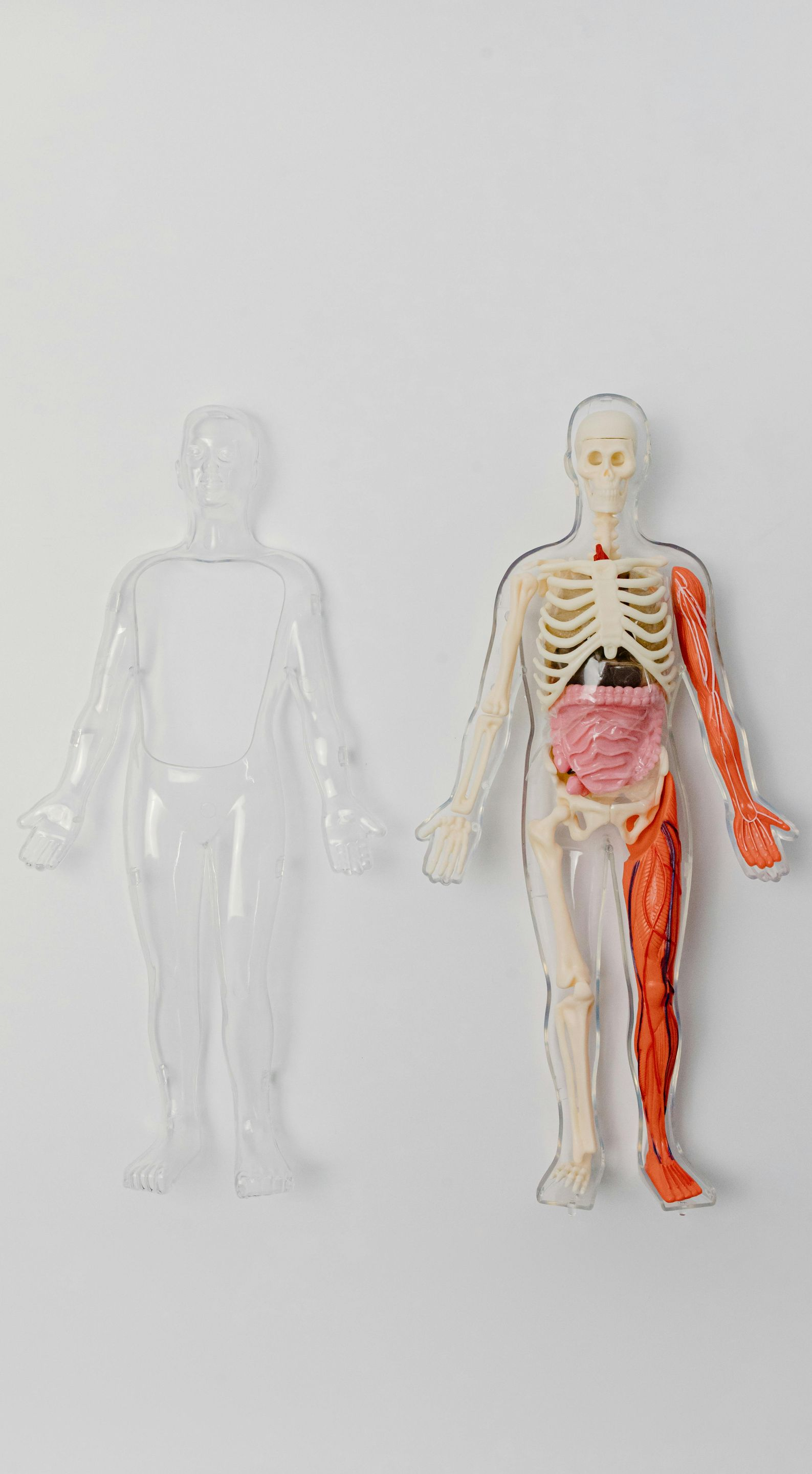
The human body is designed for movement. When movement is limited for long periods, certain muscles may become shortened and tight, while others may weaken from lack of use. This imbalance can alter posture and place additional strain on joints, particularly in the neck, shoulders, lower back, and hips.
Prolonged sitting may also reduce joint mobility. Joints rely on regular movement to maintain lubrication and normal range of motion. When movement is restricted, stiffness may develop, which can make everyday activities feel more difficult or uncomfortable.

Posture and Mechanical Stress
Sedentary habits are often accompanied by sustained postures, such as forward head positioning or rounded shoulders. Over time, these postures may increase mechanical stress on the spine and surrounding structures.
This stress does not always cause immediate pain. Instead, it may accumulate gradually, leading to discomfort, tension, or reduced mobility. For some individuals, these changes may contribute to recurring musculoskeletal symptoms.

Reduced Circulation and Tissue Health
Movement supports circulation, which delivers oxygen and nutrients to muscles and connective tissues. When activity levels are low, circulation may be reduced, particularly in areas held in static positions for extended periods.
Reduced circulation can affect tissue health and recovery. Muscles that remain inactive for long stretches may become more prone to fatigue or soreness when they are eventually called upon to work.
The Role of Micro Movements
Sedentary behavior does not always mean complete stillness, but even small, repeated movements in limited ranges may not be enough to support musculoskeletal health. The body benefits from varied movement patterns that engage different muscle groups and joints.
Incorporating regular breaks, gentle stretching, or brief walks may help counter some of the effects of prolonged sitting. These changes can support flexibility and help reduce stiffness throughout the day.

How Conservative Care May Help
For individuals experiencing musculoskeletal discomfort associated with sedentary habits, conservative care approaches may be part of a broader strategy. Chiropractic care focuses on joint mobility, spinal alignment, and movement patterns.
By addressing areas of restricted motion, chiropractic adjustments may help improve movement efficiency and reduce mechanical stress. This approach is often combined with guidance on posture, ergonomics, and activity modifications.
It is important to note that responses to care vary between individuals. Chiropractic care is not a replacement for movement, but it may support the body’s ability to move more comfortably when paired with appropriate activity.

Building Movement Into Daily Life
Reducing sedentary time does not require dramatic lifestyle changes. Small adjustments, such as standing periodically, adjusting workstation setup, or incorporating light movement into daily routines, can make a difference.
Consistency matters more than intensity. Regular movement throughout the day may help support joint health and muscle balance over time.
A Practical Approach to Modern Habits
Sedentary lifestyles are common, but their effects on the musculoskeletal system are worth acknowledging. Pain and stiffness are not inevitable, but they may become more likely when movement is limited.
At Back in Motion Chiropractic, care is approached with an understanding of modern lifestyles and their physical demands. By focusing on movement, education, and conservative care, we aim to support individuals seeking to manage musculoskeletal discomfort and maintain long term mobility.
Addressing sedentary habits is not about eliminating sitting entirely. It is about finding balance and supporting the body through thoughtful movement and care.