Understanding Referred Pain and How Chiropractic Care May Help
When Pain Shows Up Somewhere Else
Pain is often assumed to originate exactly where it is felt. In reality, many people experience discomfort in one part of the body even though the source of the problem lies elsewhere. This phenomenon is known as referred pain, and it can make diagnosis and treatment more complex. Understanding how referred pain works can help patients make sense of confusing symptoms and explore appropriate, conservative care options.
What Is Referred Pain
Referred pain occurs when pain is perceived in a location that is different from its actual source. This happens because nerves from different areas of the body converge and share pathways within the nervous system. As a result, the brain may interpret signals from one structure as pain coming from another.
Common examples include shoulder pain that originates from the neck, arm pain related to spinal joint irritation, or headaches that stem from muscular or joint issues in the upper spine. Because the pain is not felt at the source, treatment that focuses only on the area of discomfort may not fully address the underlying issue.
How the Spine and Nervous System Are Involved
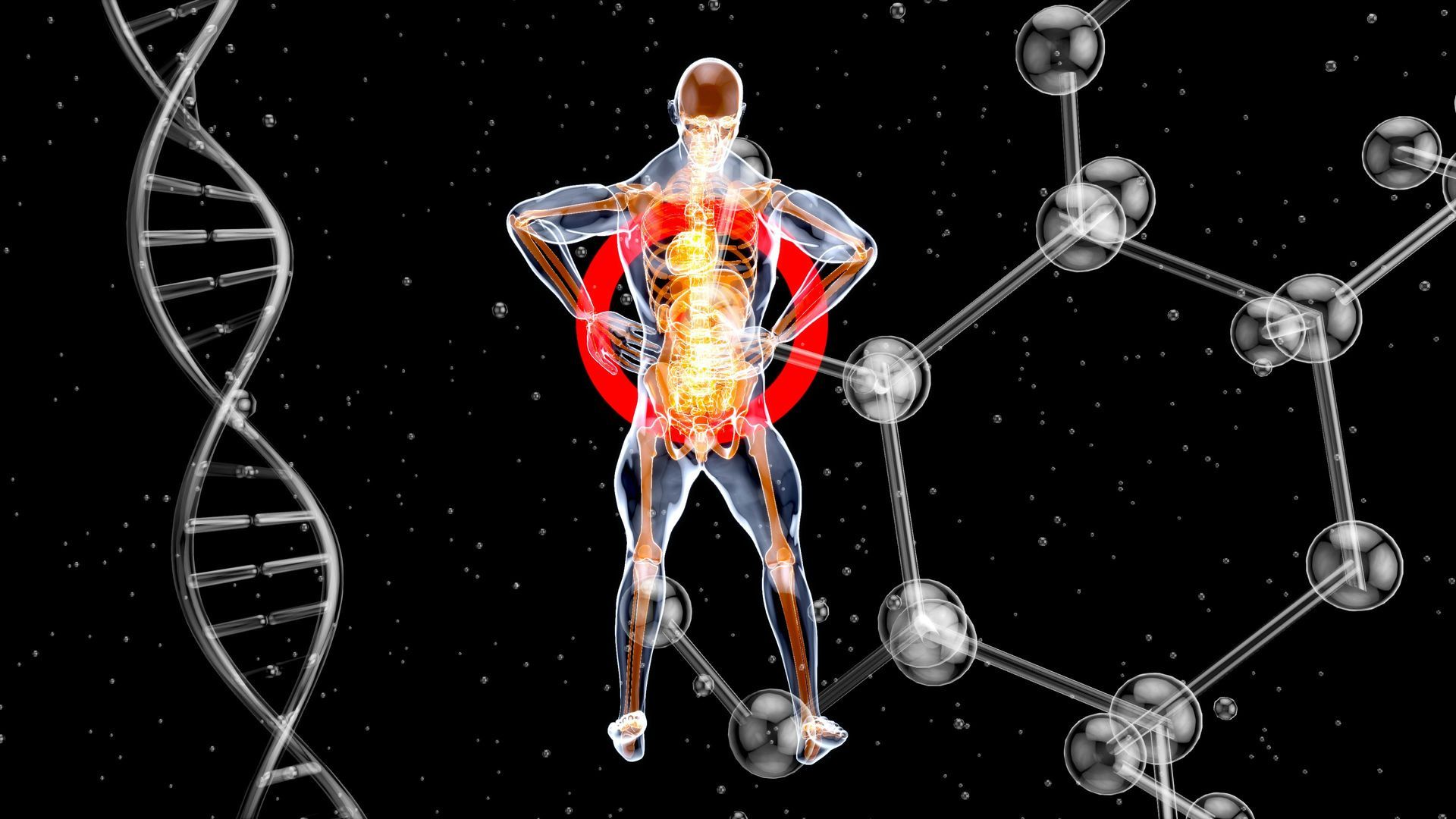
The spine plays a central role in referred pain. Spinal joints, discs, muscles, and surrounding soft tissues interact closely with the nervous system. When joint motion is restricted or soft tissues become irritated, nearby nerves may transmit altered signals.
These signals can be interpreted by the brain as pain in areas served by the same nerve pathways. For example, irritation in the cervical spine may contribute to pain felt in the head, shoulders, or upper back rather than the neck itself.

Why Referred Pain Can Be Persistent
Referred pain may persist because the true source of the problem is not obvious. Individuals may continue treating the site of pain with rest, ice, or medication without addressing the mechanical or neurological factors contributing to the symptoms.
Over time, compensatory movement patterns can develop as the body adapts to discomfort. These patterns may increase stress on other joints and muscles, potentially expanding the area of pain or leading to additional symptoms.
Identifying the Source of Pain
Evaluating referred pain requires a thorough assessment. This often includes reviewing posture, movement patterns, joint mobility, and areas of tenderness or restriction. A detailed history helps determine whether symptoms are consistent with referred pain rather than a localized injury.
Because referred pain can mimic other conditions, careful evaluation is important to rule out issues that may require medical referral or additional testing.

How Chiropractic Care May Play a Role
Chiropractic care focuses on evaluating and addressing joint function, spinal mobility, and neuromusculoskeletal relationships. For some patients, improving joint motion and reducing mechanical stress may help normalize nerve signaling associated with referred pain patterns.
Spinal adjustments, soft tissue therapies, and guided movement strategies may be used as part of a broader treatment plan. These approaches are intended to support improved movement and reduce strain, which in some cases may influence pain perception.
It is important to note that outcomes vary by individual. Not all referred pain responds to the same interventions, and chiropractic care is often most effective when integrated with other conservative strategies such as exercise, ergonomic changes, and lifestyle modifications.

The Importance of Individualized Care
Referred pain does not follow a one size fits all pattern. Factors such as injury history, daily activities, stress levels, and overall health all influence how pain presents and responds to care.
An individualized treatment plan allows providers to adjust care based on progress and patient response. Ongoing reassessment helps ensure that treatment remains appropriate and effective.
A Thoughtful Approach to Pain
Understanding referred pain can reduce frustration and uncertainty for patients experiencing symptoms that seem difficult to explain. Recognizing that pain may originate away from where it is felt opens the door to more targeted and comprehensive care.
At Back in Motion Chiropractic, we take a whole body approach to evaluating pain patterns. By carefully assessing spinal function and movement, we work to identify contributing factors that may be involved in referred pain and support patients in their path toward improved comfort and function.