How Chiropractic Care Helps People Living With Chronic Pain
Long-Term Relief Through Personalized Chiropractic Care
Chronic pain affects millions of people every year, often disrupting sleep, limiting mobility, and diminishing quality of life. Unlike acute pain, which typically results from a short-term injury, chronic pain persists for weeks, months, or even years. It can stem from past injuries, poor posture, repetitive strain, or underlying health conditions. For many people, medication provides only temporary relief without addressing the root cause. At Back in Motion Chiropractic, we focus on identifying the source of chronic pain and developing personalized treatment plans that promote long-term healing and restored function.
Understanding Chronic Pain
Chronic pain can manifest in many ways, from lingering back and neck discomfort to recurring headaches, joint stiffness, or nerve pain. Over time, the body can adapt to pain in unhealthy ways, causing muscles to tighten, posture to change, and mobility to decrease. These compensations may relieve discomfort temporarily but often create new problems elsewhere in the body.
At Back in Motion Chiropractic, we understand that chronic pain is not just a physical condition; it affects every aspect of a person’s well-being. That is why we approach care holistically, focusing on the musculoskeletal system as well as overall health.

Identifying the Root Cause
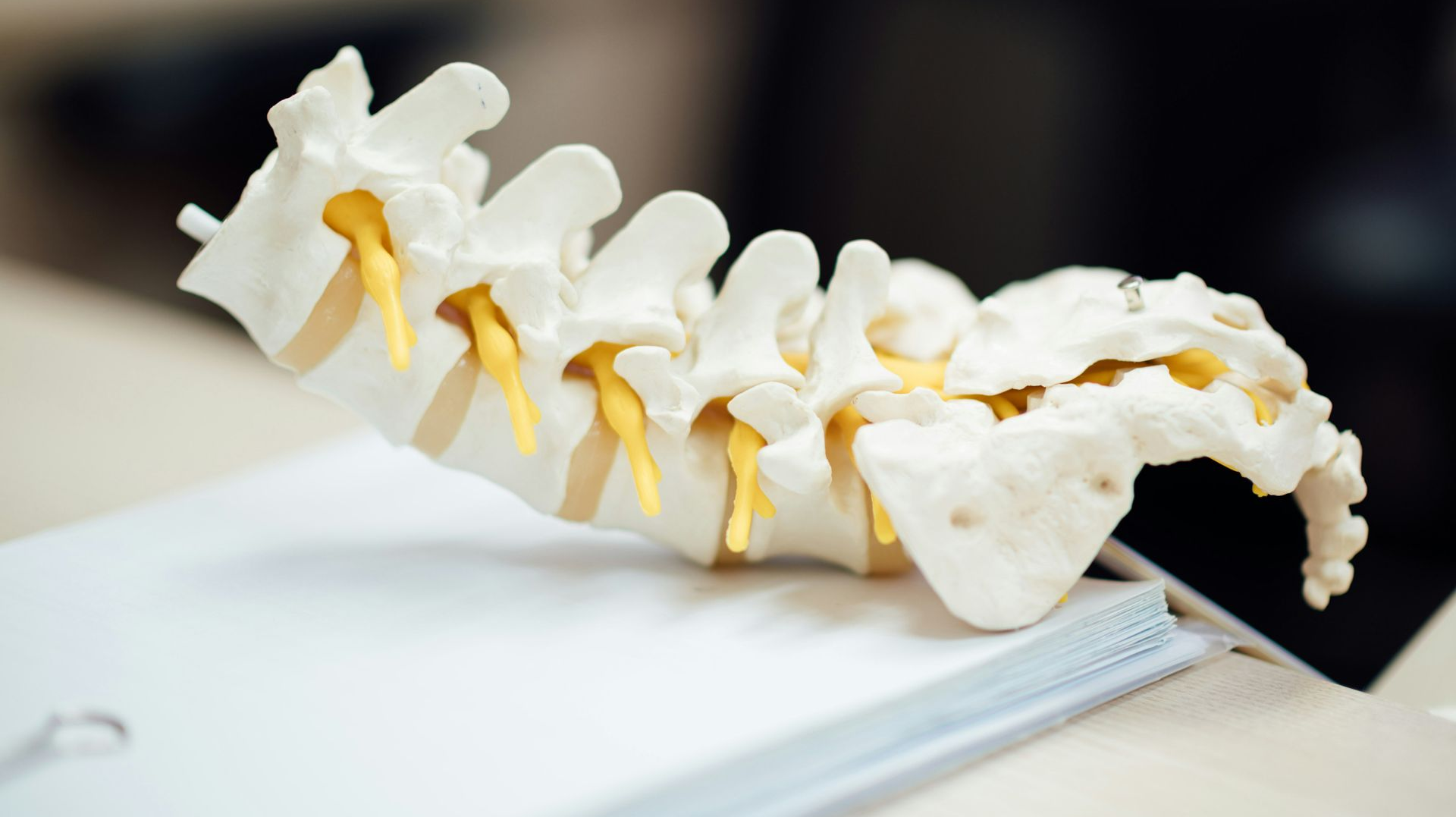
The first step in treating chronic pain is determining where it begins. Chiropractors are trained to identify structural misalignments, joint restrictions, and muscular imbalances that contribute to persistent pain. Through detailed examination and diagnostic assessment, we locate the underlying issues that medication or temporary treatments often overlook.
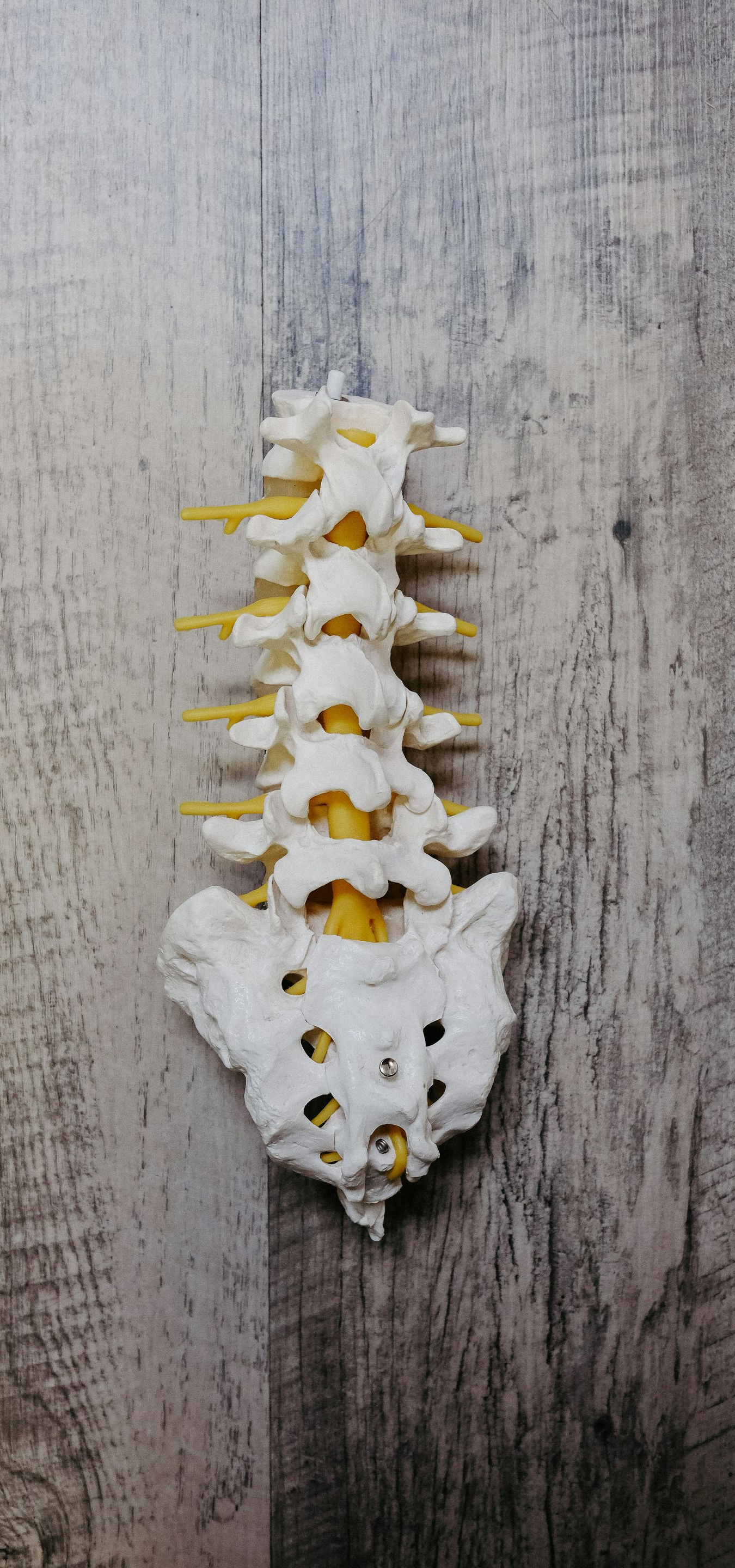
For example, chronic lower back pain may not come from the lower back itself but from misalignments in the pelvis or tightness in surrounding muscles. By correcting these imbalances, chiropractic care relieves pressure on nerves, restores alignment, and allows the body to heal naturally.
Gentle, Targeted Adjustments
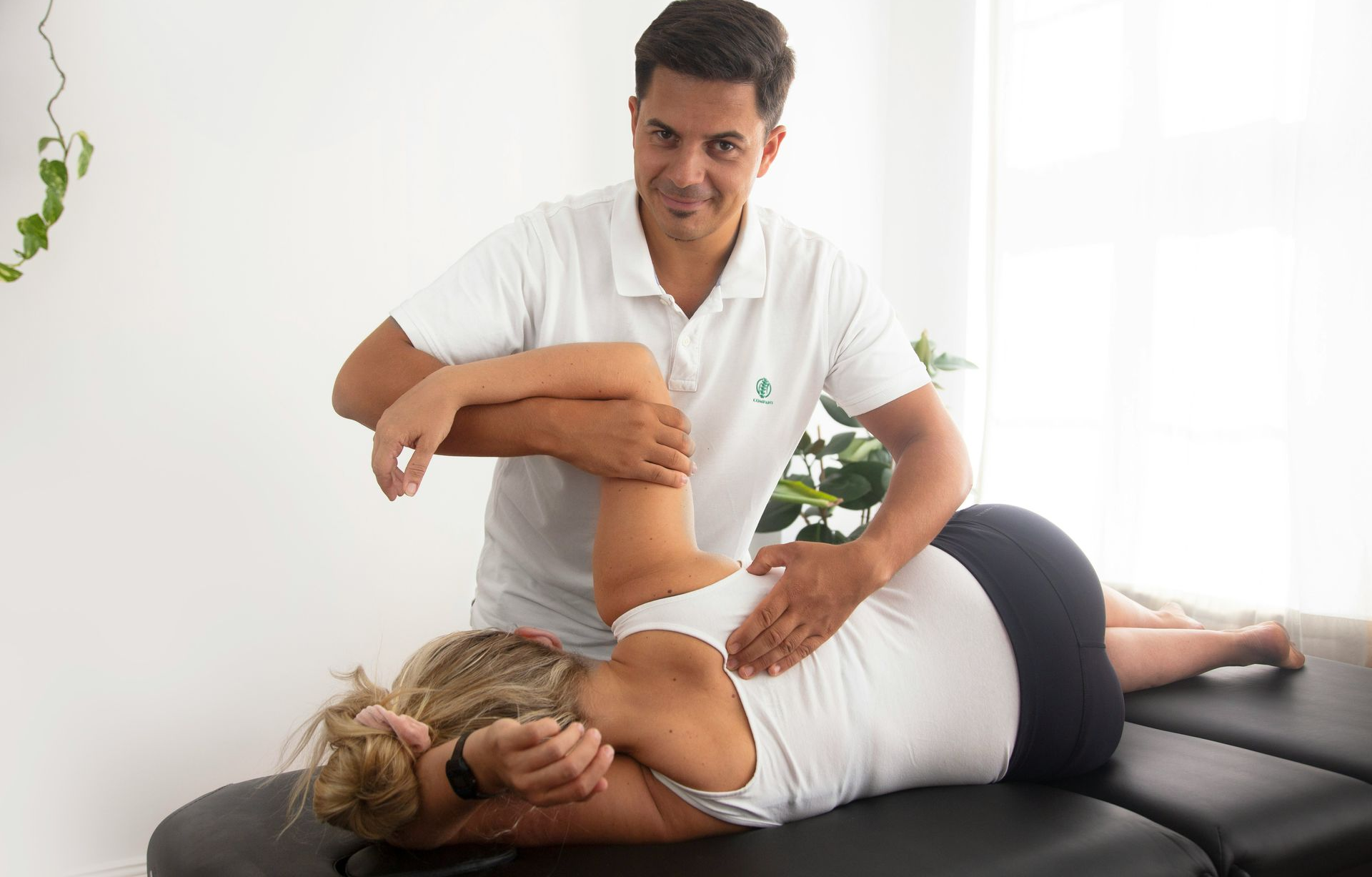
Chiropractic adjustments are at the heart of pain management for many patients. These precise, controlled movements restore proper joint motion and reduce irritation to the surrounding nerves and tissues. When joints move freely, circulation improves, inflammation decreases, and the body can begin to recover.
For those suffering from
chronic conditions such as arthritis, sciatica, or tension headaches, regular adjustments can significantly reduce pain intensity and frequency. Each treatment is tailored to the individual, ensuring comfort and safety at every step.
Complementary Therapies for Comprehensive Relief
At Back in Motion Chiropractic, treatment does not stop at adjustments. We use a range of supportive therapies to enhance recovery and manage chronic pain effectively. Soft tissue techniques, help loosen tight muscles and improve flexibility.
Corrective exercises strengthen weak areas, prevent reinjury, and support long-term stability. Stretching routines, ergonomic education, and posture correction also play an essential role in helping patients take control of their health. By combining these methods, we create a comprehensive care plan that addresses both the symptoms and the underlying causes of pain.
Reducing Dependence on Medication
One of the most significant advantages of chiropractic care for chronic pain is the ability to reduce or eliminate the need for pain medication. While medications may provide temporary relief, they do not correct the mechanical issues that cause pain in the first place. Chiropractic care focuses on restoring natural movement and balance within the body, helping patients experience relief without relying on medication or invasive procedures.
Improving Quality of Life
Living with chronic pain can affect mood, energy, and daily activities. Over time, constant discomfort may lead to fatigue, anxiety, or depression. Chiropractic care helps break this cycle by improving physical function and overall well-being. Many patients report better sleep, improved mobility, and a renewed sense of control over their health after consistent treatment.
Final Thoughts
Chronic pain does not have to define your life. With professional chiropractic care, it is possible to reduce pain, restore movement, and regain confidence in your body’s ability to heal. At Back in Motion Chiropractic, we are dedicated to helping patients move beyond pain and toward a healthier, more active life.
If you are struggling with chronic pain, our team can help you find lasting relief through safe, effective, and personalized chiropractic care.