How Chiropractic Care May Help Individuals Managing Nerve Pain
Targeted Support for Managing Pain
Nerve pain can be one of the most challenging forms of discomfort for individuals to manage. Unlike muscle soreness or joint aches, nerve pain often presents with sharp, burning, tingling, or radiating sensations that may travel along the length of a nerve. Because nerve pain behaves differently from other types of chronic pain, individuals often struggle to find consistent relief. At Back in Motion Chiropractic, we work with patients to assess the underlying causes of their discomfort and provide supportive care that may help improve mobility, reduce irritation, and promote a higher level of physical comfort.
Understanding What Nerve Pain Is
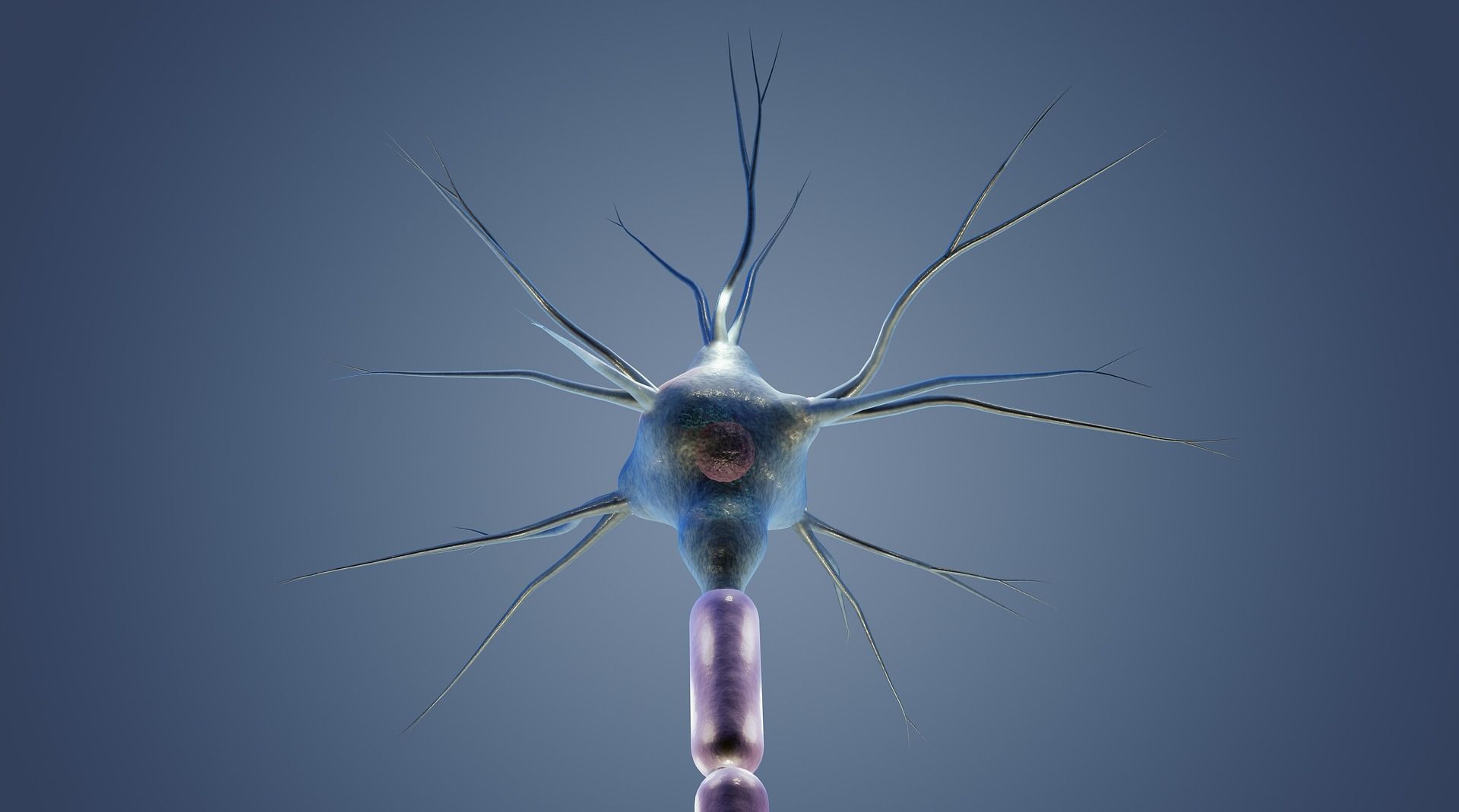
Nerve pain, sometimes referred to as neuropathic pain, occurs when a nerve becomes irritated, compressed, or damaged. This may happen because of inflammation, disc issues, biomechanical imbalance, or prolonged strain on surrounding tissues. When a nerve is affected, the pain can travel along the entire nerve pathway. This is why some individuals feel discomfort not only at the injury site, but also in the arms, legs, hands, or feet.
Research indicates that
nerve pain differs from other types of chronic pain because it originates from the nervous system rather than from muscles, joints, or connective tissue.
This distinction helps explain why nerve pain may feel sharp, electric, or radiating instead of dull or achy. It may also be accompanied by sensations such as tingling, numbness, or heightened sensitivity, which are less common with muscle based pain.
How Nerve Pain Differs From Other Forms of Chronic Pain
Musculoskeletal pain often results from strain, overuse, or injury to muscles and joints. This type of pain generally stays localized and may improve with stretching, strengthening exercises, or adjustments to physical activity. Nerve pain, on the other hand, tends to be more persistent and may intensify with certain movements or positions that place pressure on the affected nerve.
Another difference is how nerve pain responds to pressure. Sore muscles may feel better when massaged or gently stretched. Compressed nerves, however, may worsen when surrounding tissues tighten or shift. These differences highlight the importance of understanding whether discomfort is coming from muscle tissue, joint inflammation, or nerve irritation. A proper assessment helps guide a treatment plan that is safer and more effective for the individual’s condition.

How Chiropractic Care May Help Address Nerve Pain
Chiropractic care focuses on spinal alignment, joint mobility, and the relationship between the musculoskeletal system and the nervous system. When vertebrae or joints are not moving correctly, they may place pressure on nearby nerves. This can contribute to tingling, radiating discomfort, numbness, or sharp nerve related pain. By gently improving joint mobility and encouraging better alignment, chiropractic adjustments may help reduce irritation around the nerve.
In addition to adjustments, we use targeted stretching, mobility exercises, and supportive therapies that aim to reduce muscle tension. When muscles surrounding the affected nerve relax and function more efficiently, pressure on the nerve may decrease. Patients often report that improved mobility helps them move with greater comfort throughout the day.

Understanding Contributing Factors
Nerve pain does not always come from a single source. Factors such as posture, sedentary habits, repetitive motions, old injuries, or core weakness may contribute to nerve irritation over time. Individuals who sit for extended periods, especially with poor posture, may experience compression in the lower back or neck that affects nerve pathways. Our team evaluates these contributing factors and helps patients identify patterns that may be aggravating their symptoms.
Improving posture, strengthening supportive muscles, and increasing joint mobility may help create an environment where irritated nerves have a better opportunity to recover. This approach allows for more comprehensive support that extends beyond symptom management.

A Supportive Path Toward Improved Comfort
Although nerve pain can be difficult to manage, many individuals benefit from a structured, supportive approach that combines chiropractic care, guided exercises, and consistent evaluation. Our goal at Back in Motion Chiropractic is to help patients understand the source of their discomfort, develop strategies that may reduce nerve irritation, and support long term physical wellness. Every treatment plan is tailored to the individual so that care remains safe, appropriate, and aligned with each patient’s needs.
Moving Toward Better Mobility and Relief
Nerve pain may feel overwhelming, but with the right guidance, many individuals experience improved comfort and function. By focusing on alignment, mobility, and the underlying factors that contribute to nerve irritation, chiropractic care may play a meaningful role in a broader pain management strategy. At Back in Motion Chiropractic, we are committed to helping individuals move with greater ease and navigate their daily lives with confidence and support.