How Chiropractic Adjustments Help With Back Pain
Addressing Back Pain Early to Support Long-Term Mobility
Back pain is one of the most common musculoskeletal complaints among adults, and it can interfere with work, mobility, sleep, and overall quality of life. Many people experiencing back pain are searching for treatment options that do not rely solely on medication. At Back in Motion Chiropractic, we focus on conservative, non-invasive approaches that may help patients manage back pain safely and effectively, particularly in the early stages of discomfort.
Understanding Back Pain
Back pain can develop for many reasons, including muscle strain, joint dysfunction, poor posture, repetitive movement, or sudden changes in activity level. In many cases, especially with acute or subacute low back pain, symptoms are not associated with serious underlying disease. Instead, pain may be related to mechanical issues involving the spine, surrounding muscles, and supporting structures.
Acute back pain typically lasts less than four weeks, while subacute pain may persist for up to twelve weeks. During these stages, appropriate conservative care may help reduce discomfort and support a return to normal function.

What Chiropractic Adjustments Involve
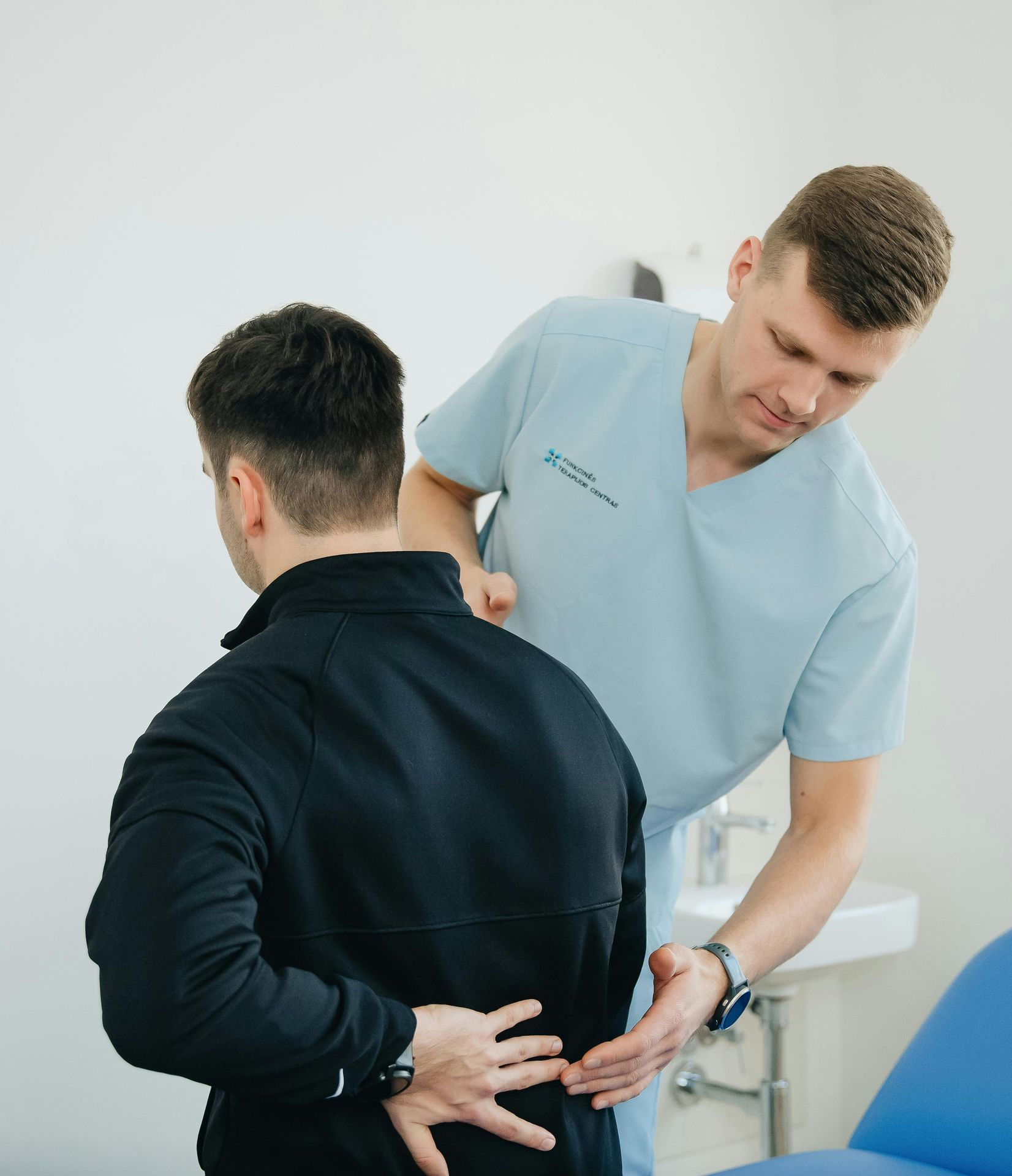
Chiropractic adjustments, also known as spinal manipulation therapy, are manual techniques applied to joints of the spine with the goal of improving motion and reducing mechanical stress. These adjustments are tailored to the individual and performed after a thorough evaluation.
The intent of an adjustment is not to cure disease, but rather to address joint restrictions or dysfunctions that may contribute to pain or limited movement. When spinal joints move more freely, surrounding muscles and tissues may function more efficiently, which can influence pain perception and mobility.
What the Evidence Shows
The strongest scientific evidence for spinal manipulation supports its use in acute and subacute low back pain. Multiple clinical guidelines recognize spinal manipulation as a reasonable non pharmacologic treatment option for uncomplicated low back pain.
Notably, the American College of Physicians recommends spinal manipulation as one of several first line treatment options before the use of prescription medications for acute and subacute low back pain in adults without red flag conditions. This recommendation reflects a growing emphasis on conservative care approaches that aim to minimize medication related risks while supporting functional recovery.
Research suggests that for some patients, chiropractic care may contribute to meaningful improvements, particularly in the short term.

Potential Benefits for Some Patients
For certain individuals, chiropractic care may help support recovery in several ways. Evidence indicates that spinal manipulation may:
- Reduce pain intensity in the short term
- Improve short term function and mobility
- Decrease reliance on pain medication for some patients
It is important to note that responses to care vary. Not every patient experiences the same outcomes, and chiropractic adjustments are often most effective when combined with other supportive measures such as movement guidance, posture education, and activity modification.

A Non-Pharmacologic Approach
One reason chiropractic care is frequently considered for back pain is its non-pharmacologic nature. Many patients prefer to explore options that do not involve medications, especially when pain is recent in onset and uncomplicated.
By addressing joint mechanics and movement patterns, chiropractic care may help patients remain active during recovery. Maintaining appropriate activity, rather than prolonged rest, is often associated with better outcomes in back pain management according to clinical guidelines.

Individualized Care Matters
At Back in Motion Chiropractic, we emphasize individualized care plans based on each patient’s presentation, goals, and comfort level. A thorough assessment helps determine whether chiropractic adjustments may be appropriate and whether additional strategies should be incorporated.
Chiropractic care is not a one size fits all solution. Some patients may benefit from a short course of care, while others may require a broader approach that includes therapeutic exercises or coordination with other healthcare providers.
Supporting Recovery and Function
Back pain can be disruptive, but many cases improve with appropriate conservative care. Chiropractic adjustments represent one evidence supported option for managing acute and subacute low back pain in adults. At Back in Motion Chiropractic, our goal is to help patients reduce discomfort, improve movement, and return to daily activities with greater confidence, while prioritizing safety and evidence informed care.